
How Are Essential Oils Produced?
 Victoria Plekenpoloylwithvictoria.comJul 14, 2026
Essential oils are truly remarkable gifts from nature. These potent, aromatic essences derived from plants offer a wealth of therapeutic and cosmetic advantages. But how exactly are these precious oils extracted from their botanical sources?
Essential oils are truly remarkable gifts from nature. These potent, aromatic essences derived from plants offer a wealth of therapeutic and cosmetic advantages. But how exactly are these precious oils extracted from their botanical sources? In this article, we'll explore the most common techniques employed to obtain essential oils.
1. Steam Distillation
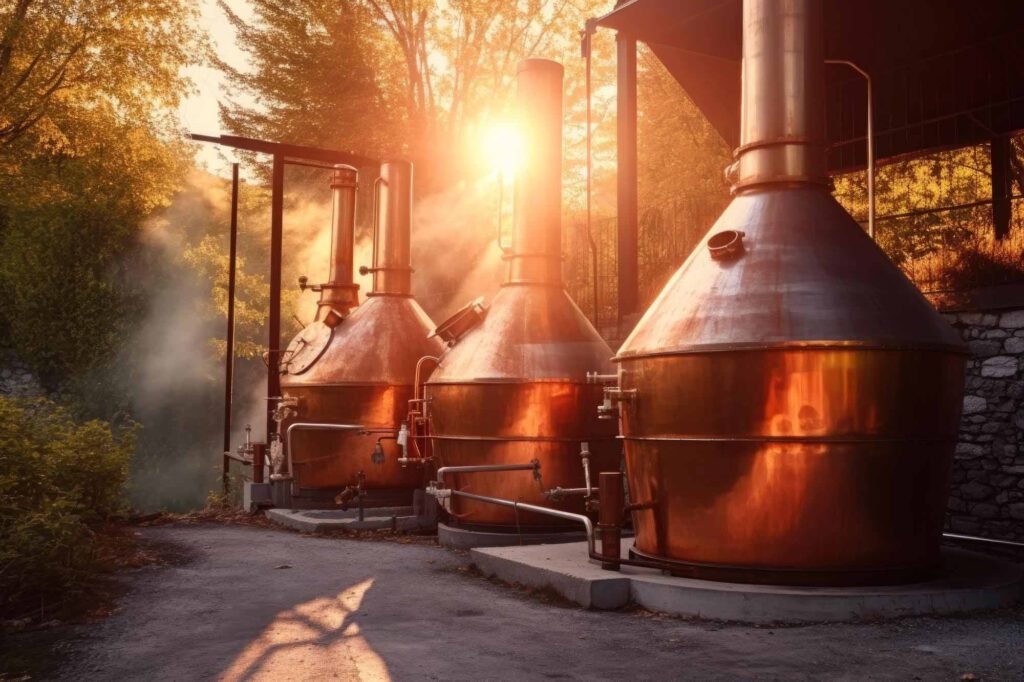
Steam distillation stands as one of the most widespread techniques for creating essential oils. In this process, the plant material is placed in a still with water, and heat is applied from below. As the water reaches its boiling point, the resulting steam travels through the plant matter, carrying the essential oil molecules along with it. This steam then moves into a cooling system, where it condenses and separates into two distinct layers: the essential oil and a fragrant floral water (hydrosol).
2. Hydrodistillation
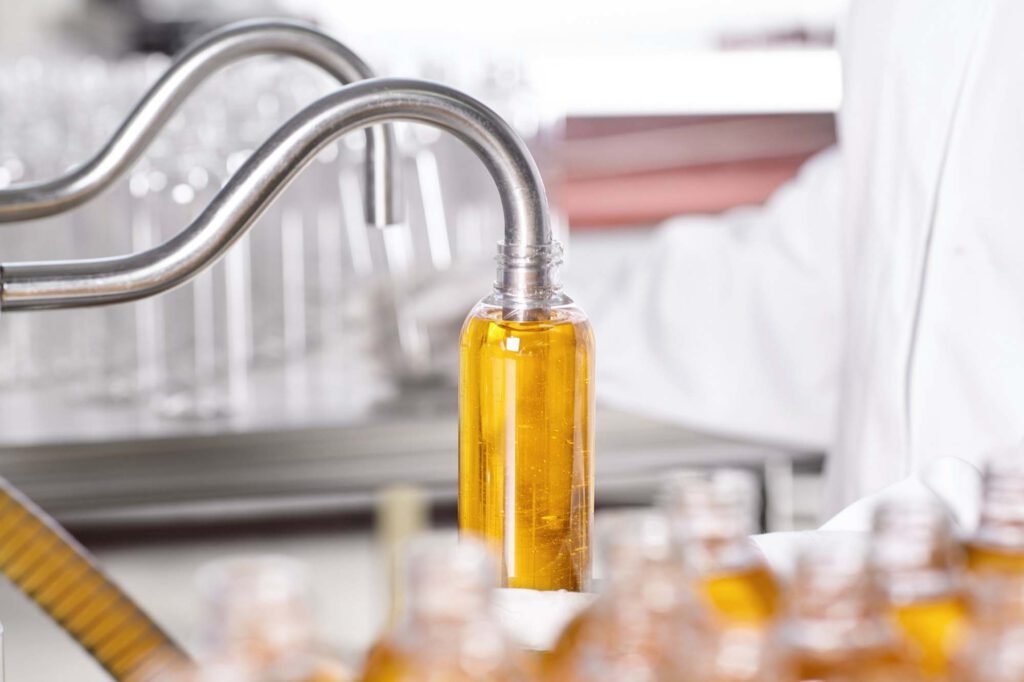
This approach bears a resemblance to steam distillation, but with a key difference: the plant material is submerged directly in the water. As heat is applied, the oils within the water dissolve and rise with the steam, subsequently separating during the condensation phase.
3. Absolute Extraction
Certain plants, like jasmine or rose, are too delicate to withstand the high temperatures of steam distillation. For these botanicals, the oils are extracted using a solvent. The solvent is later evaporated, leaving behind the concentrated absolute oil. These oils often have a thicker consistency and a more intense fragrance.

4. Cold Pressing
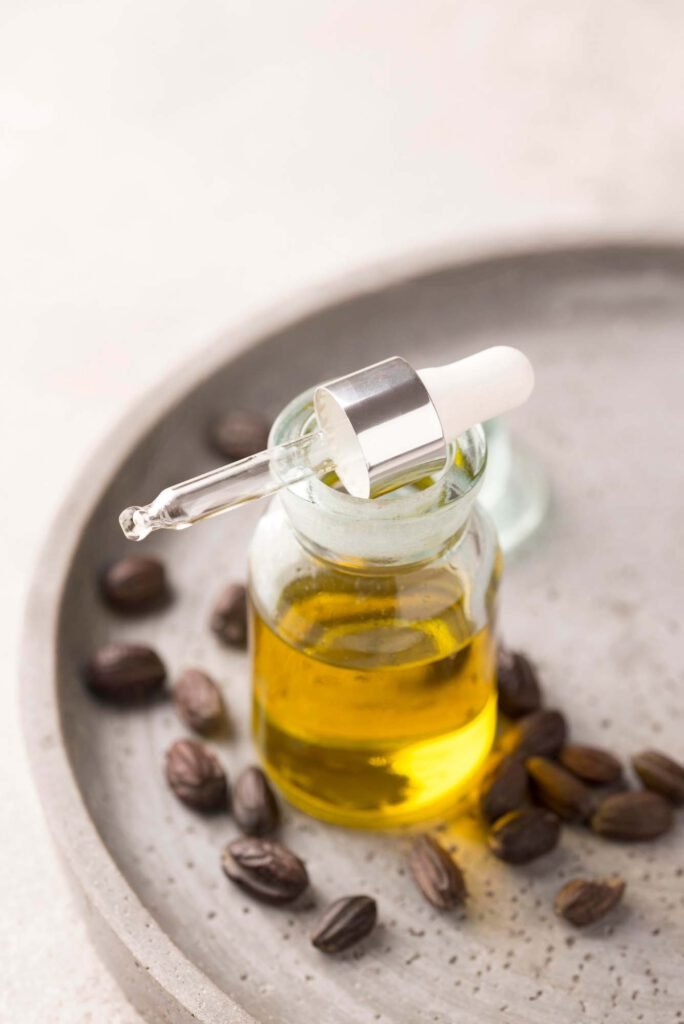
This particular method is reserved exclusively for citrus fruits, such as in the creation of orange, lemon, or grapefruit essential oils. The oils are obtained from the peels of the citrus fruits; a machine mechanically presses the peel, allowing the oil to be collected in droplets. Since no heat is involved, cold-pressed oils maintain their fresh, zesty aroma.
5. Enfleurage
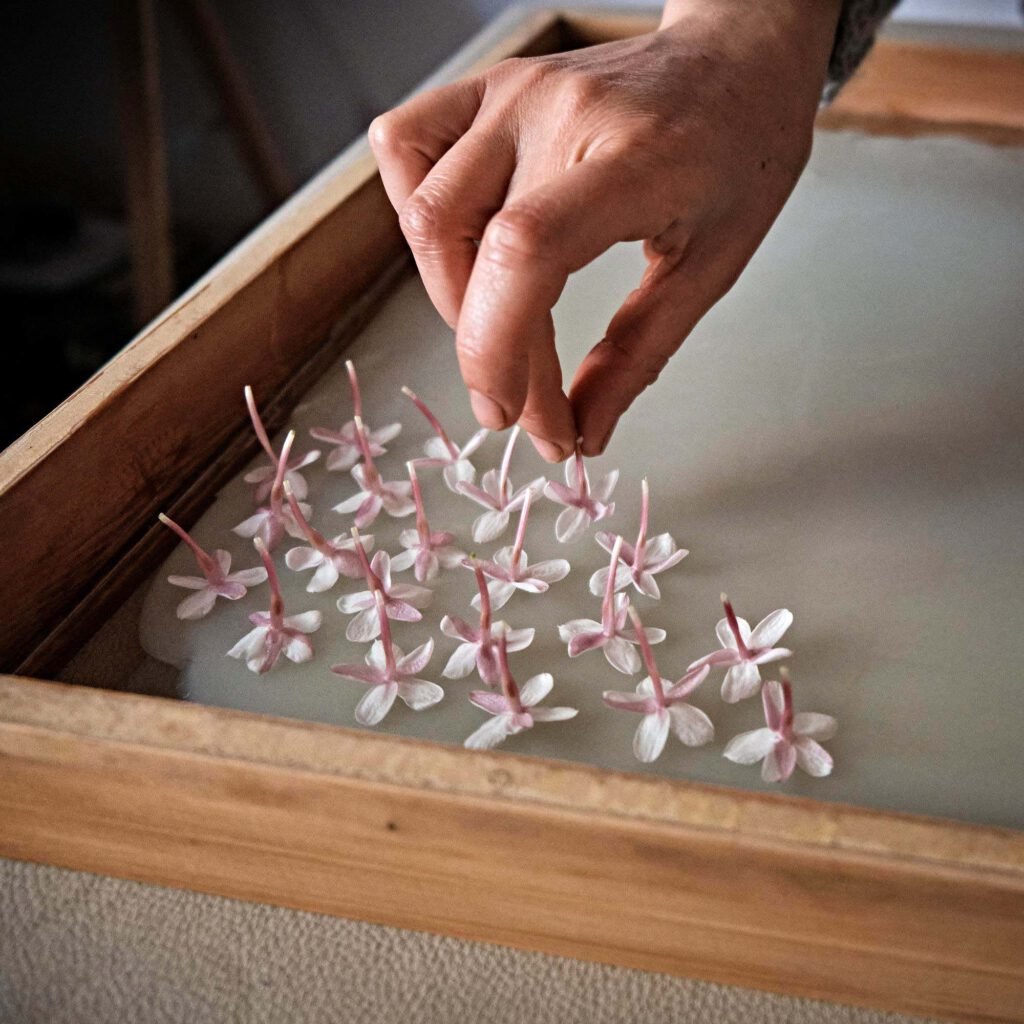
This is an ancient, labor-intensive manual technique that is seldom used today due to its high cost and demanding process. Fresh flowers are laid upon a layer of fatty substance, which then absorbs their delicate fragrances. This procedure is repeated multiple times until the fat becomes saturated with the scent. The essential oil is later separated from the fat using alcohol.
Summary
The creation of essential oils truly blends both art and scientific principles. The chosen extraction method significantly impacts the oil's quality, chemical makeup, and aromatic profile. Producing premium essential oils demands the right plant material, the most suitable extraction technique, and meticulous processing. When selecting an essential oil, understanding its production method can help you make the best choice for your health and overall well-being.