
Which Essential Oil Truly Helps with Sleep?
 Victoria Plekenpoloylwithvictoria.comJul 14, 2026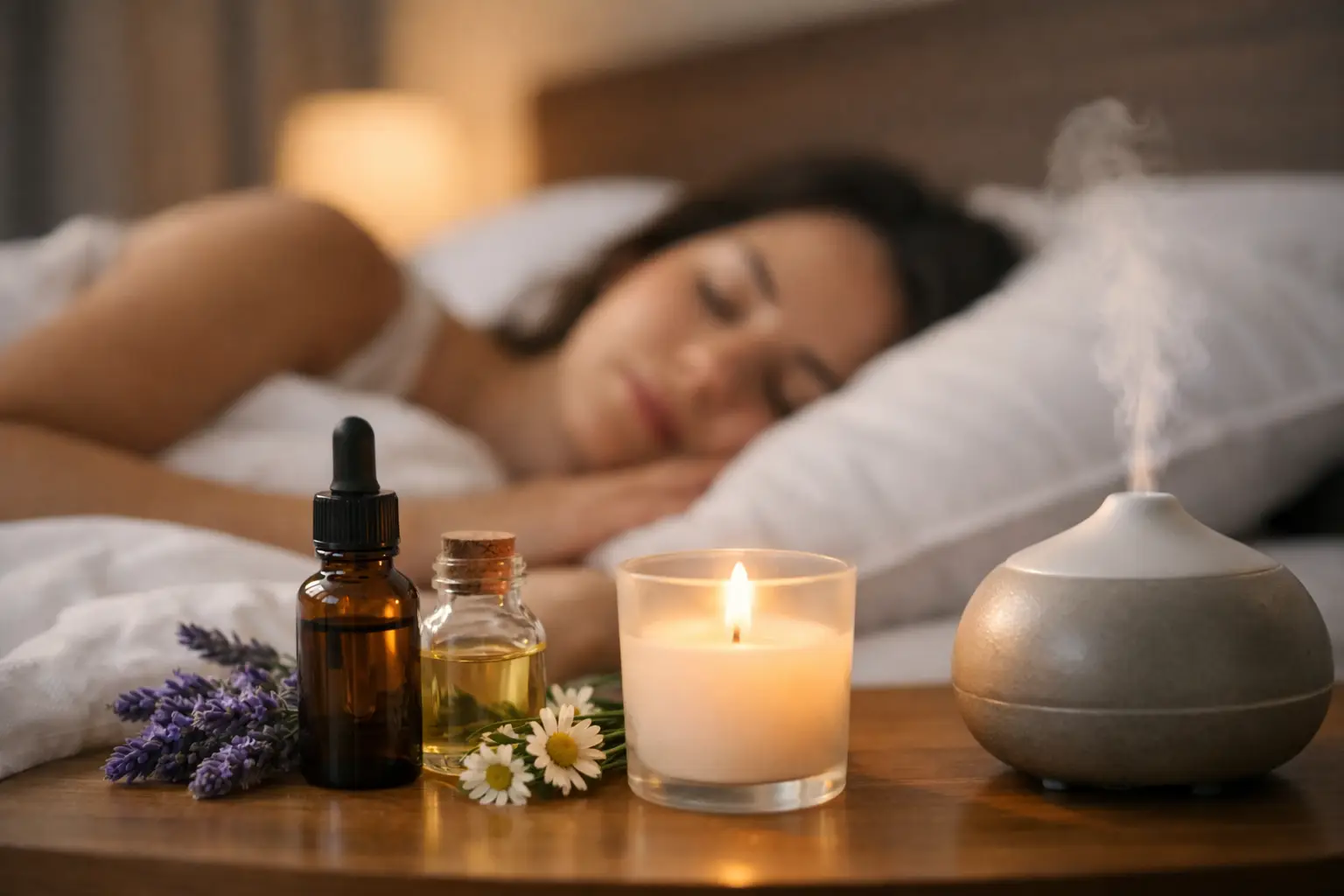
When you're tired in the evening but your mind is still racing, you're not battling the effects of another strong coffee, but an overloaded nervous system. At times like these, the question is completely justified: which essential oil?
When you're winding down in the evening but your brain won't stop, it's often not the lingering effects of caffeine, but rather an overwhelmed nervous system. In such moments, it's perfectly reasonable to wonder: which essential oil genuinely helps with sleep, beyond just providing a pleasant aroma, and truly supports your evening relaxation?
In the world of aromatherapy, not all oils labeled as "calming" work in the same way. Some are more deeply relaxing, others ease tension, and some primarily help establish a more settled evening routine. Therefore, instead of searching for a single "miracle solution," it's more effective to consider the specific type of sleep difficulty you're experiencing.

Which Essential Oil Is Most Often Recommended for Sleep?
If we had to name just one, lavender is almost always the top recommendation, and for good reason. Many people quickly associate the scent of lavender with a sense of calm. It can help reduce internal tension in the evenings and integrates seamlessly into a consistent bedtime routine.
However, this doesn't mean it's the perfect choice for everyone. Some individuals find lavender's floral scent too strong, or simply don't experience its effects as profoundly. In such cases, it's worth exploring other oils that are more grounding or gently citrusy.
Other essential oils frequently used for sleep include Roman Chamomile, Cedarwood, Bergamot, and Vetiver. Each possesses distinct properties, so your ideal choice will depend on your specific needs each evening.
Lavender: The Classic Evening Choice
In my experience, lavender is an excellent starting point for those who struggle to slow down, overthink before bed, or feel unable to truly relax during stressful periods. Its aroma is clean, soft, generally well-liked, and not overpowering.
When using a diffuser, it's often beneficial to start it 20-30 minutes before you plan to go to bed. This helps it become a natural part of your evening ritual, rather than just a last-minute fix. For anyone new to aromatherapy, I typically suggest beginning with lavender.
Roman Chamomile: When Your Nervous System is Overstimulated
Roman Chamomile is particularly effective when fatigue is accompanied by a restless mind. While not an oil everyone instantly loves, it can be an exceptionally good ally on tense evenings.
This oil is recommended for those whose sleep difficulties stem more from nervous overstimulation than from poor habits. It blends beautifully with lavender, creating softer, more balanced aromas.
Cedarwood: When You Need Grounding
Cedarwood offers a warmer, woodier, and deeper scent profile. It's often preferred by those who don't gravitate towards overly sweet or floral oils. In the evening, it can provide a stable, tranquil ambiance for your space, making it an excellent choice if you aim to consciously cultivate a relaxing atmosphere at home.
It's less "cushiony-soft" than lavender; instead, it feels structured and profound. If you find yourself anxious, scattered, or struggling to switch off at night, cedarwood can be a surprisingly effective alternative.
Bergamot: When Stress is Your Primary Sleep Obstacle
Bergamot is a citrus oil, but unlike orange or grapefruit, its scent isn't invigorating. Instead, it possesses a light and soothing quality, which makes it a wonderful addition to many evening blends. It’s an especially good choice when end-of-day tension or low spirits make falling asleep difficult.
However, there's an important distinction here: on its own, it may not be "deep" enough for everyone's sleep needs. It often performs best when combined with oils like lavender or cedarwood.
Vetiver: For Deep, Slow Tranquility
Vetiver has an intense, earthy, and heavier aroma, so it may not be universally appealing at first sniff. However, it is very distinctive, and many appreciate its unique qualities for evening use. It's not light or airy, but rather offers a slowing, anchoring experience.
If you frequently feel physically exhausted but your mind continues to race, vetiver could be a great option. Since its scent is potent, a little usually goes a long way, and it often yields the best results when blended with other oils.
Which Essential Oil Helps You Sleep When Your Problem Varies Each Night?
This is precisely why a simple, single answer isn't always sufficient. If your challenge is difficulty relaxing, lavender or Roman Chamomile might be better choices. If your end-of-day state is more anxious and scattered, cedarwood or vetiver could provide more stability. If you're looking to alleviate a stressful mood, bergamot can be extremely helpful.
In other words, the essential oil you choose for sleep isn't solely about sleep itself, but also about your emotional and mental state before bed. This is why blends often prove more effective than single oils.
Effective Evening Combinations
Lavender and Roman Chamomile form a soft, classic pairing. Lavender and Cedarwood create a deeper, more comforting atmosphere. Bergamot and lavender are great if you need to quickly de-stress after a demanding day. However, use very little vetiver, as it can easily overpower an entire blend.
With premium quality doTERRA CPTG oils, this makes a significant difference, as you'll experience a cleaner, more refined scent, and the effects will be more predictable. If you're consciously building an evening routine, investing in quality is worthwhile.
How to Use Essential Oils for Sleep
The most convenient method is typically a diffuser. Start it about half an hour before you intend to go to bed, and avoid using too strong a concentration. The goal is for the scent to gently fill the room, not to be overpowering in your bedroom.
Many people also enjoy dropping oils onto fabric or a pillow, but I would advise caution with this approach. Not all materials react well, and the scent can sometimes be too close and intense for an entire night. A safer option is an evening bath or using a diffuser.
Topical application can also be considered, but only with proper dilution. It's typically applied to the wrists, back of the neck, or soles of the feet, always mixed with a carrier oil like fractionated coconut oil. If you have sensitive skin, test it on a small area first.
When Essential Oils Won't Be the Primary Solution
It's important to be realistic. If sleep problems are persistent, severe, or have been ongoing for months, essential oils are more of a complementary aid than the sole answer. The same applies if excessive phone use in the evening, an irregular sleep schedule, or too much caffeine is the main underlying cause.
Aromatherapy works best when it has a solid foundation to build upon. A warm shower, dim lighting, less screen time, and a calmer evening pace – with these practices, essential oils won't just be a fragrance, but a true signal for your body to wind down.
What to Look for When Buying Essential Oils?
Quality is especially crucial when it comes to essential oils for sleep. A weak product, one with an artificial effect, or an uncertain composition simply won't deliver the same experience as a premium essential oil. I always seek out a reliable brand with transparent product information, choosing from a selection where wellness isn't just an afterthought, but a genuine focus, like doTERRA CPTG oils.
If you're currently developing your evening routine, it's wise to start with a versatile classic like lavender, and then explore a complementary oil later. The convenience of our range is that you'll find a premium aromatherapy selection in one place, alongside other daily self-care favorites.
There's no need to acquire too many products at once. A well-chosen oil or a thoughtfully prepared evening blend is far more valuable than five randomly selected bottles on a shelf.
For a quick answer to which essential oil helps with sleep, lavender is the safest starting point. However, for truly effective results, also pay attention to the specific challenges you face each evening – whether you're tense, anxious, overstimulated, or simply exhausted. A truly beneficial evening routine always begins by not just selecting the right scent, but also by aligning it with your body's unique rhythm.