
Whipping Up a Soothing Massage Blend for Tight Shoulders
In our busy lives, stiff shoulders and neck pain are common complaints many of us deal with. A soothing massage blend can be an excellent way to ease muscle tension, encourage relaxation, and boost overall wellness. In this article, we’ll explore effective essential oils for tight shoulders and how to relieve tension in your neck and shoulders, using a simple homemade massage blend.
Why Opt for Essential Oils?
Essential oils have been utilized for centuries, traditionally recognized for their calming properties. They don’t just offer a pleasant aroma but may also support relaxation and alleviate discomfort. Using essential oils for tight shoulders can amplify the benefits of a massage, transforming it into a profoundly restorative experience.
Top Essential Oils We Recommend
Here are some essential oils that can be especially effective for crafting a massage blend to ease shoulder tension:
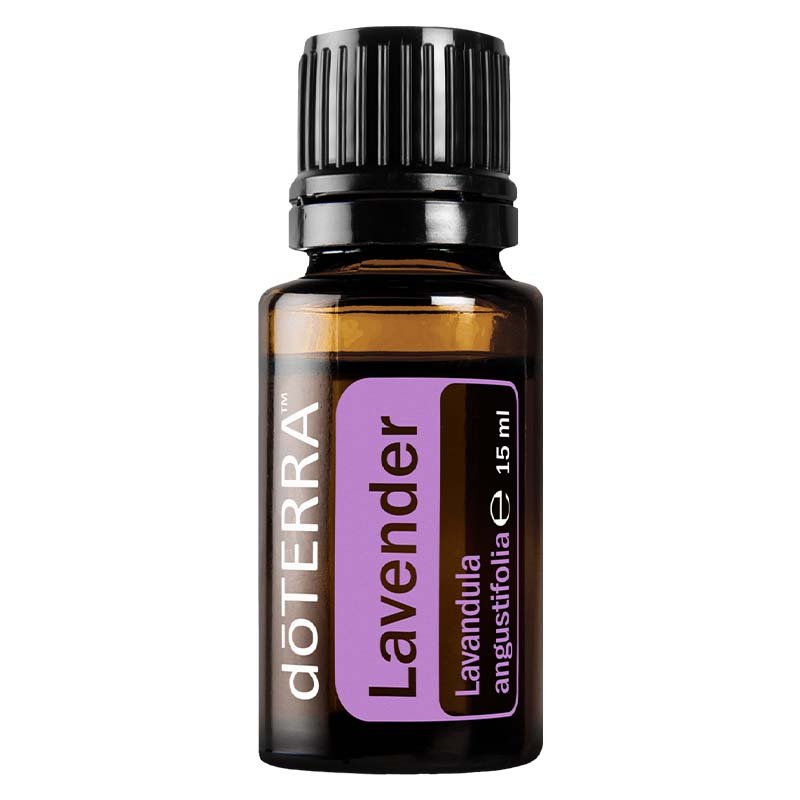
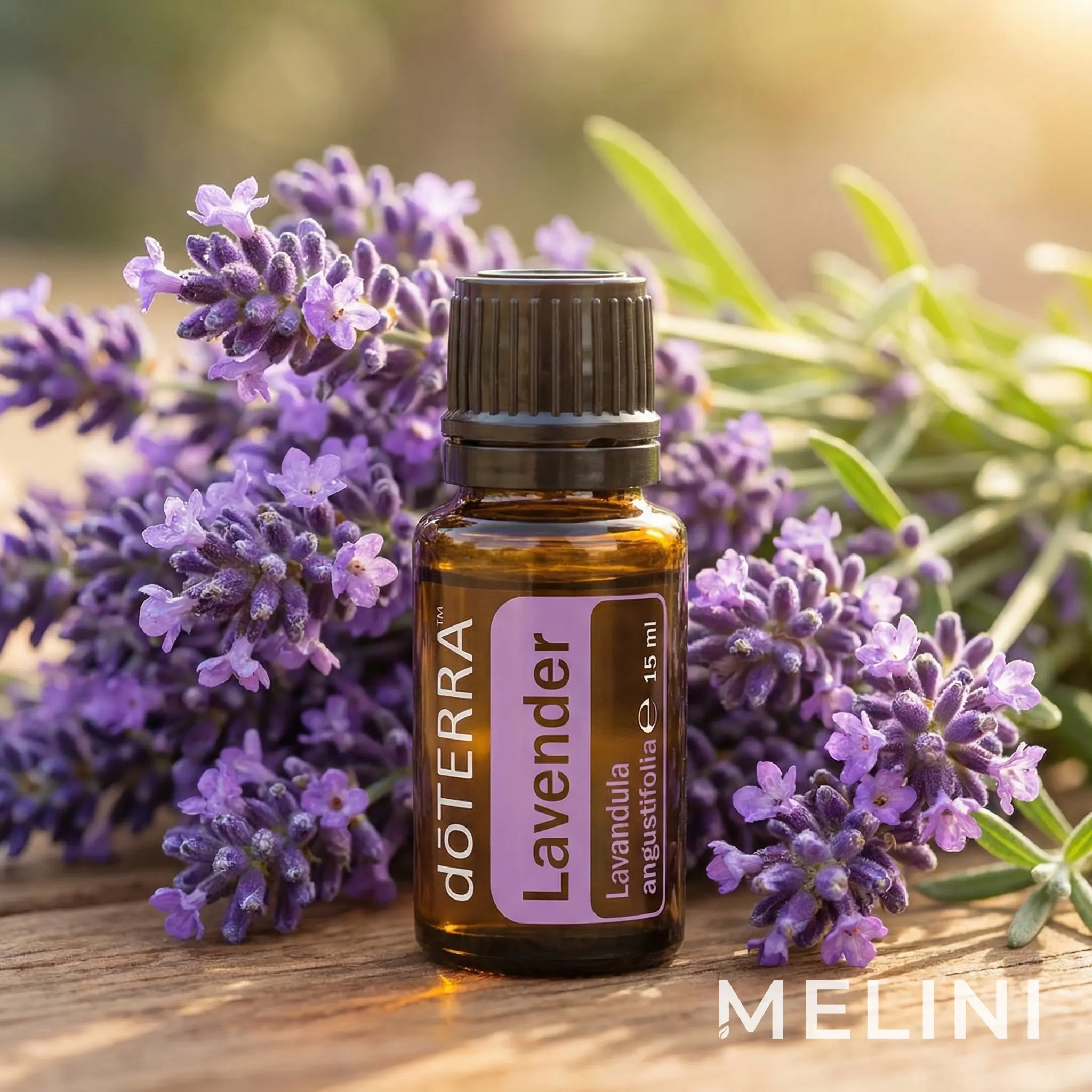
- Lavender Essential Oil: Famous for its calming qualities, lavender is traditionally used to promote relaxation and lessen feelings of stress. Get doTERRA Lavender Essential Oil here.
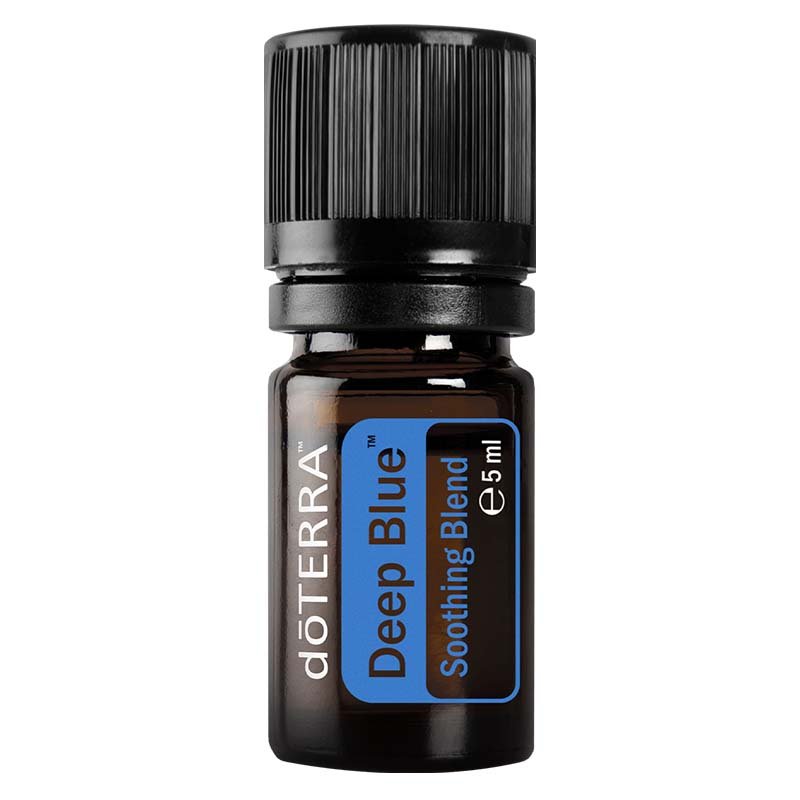
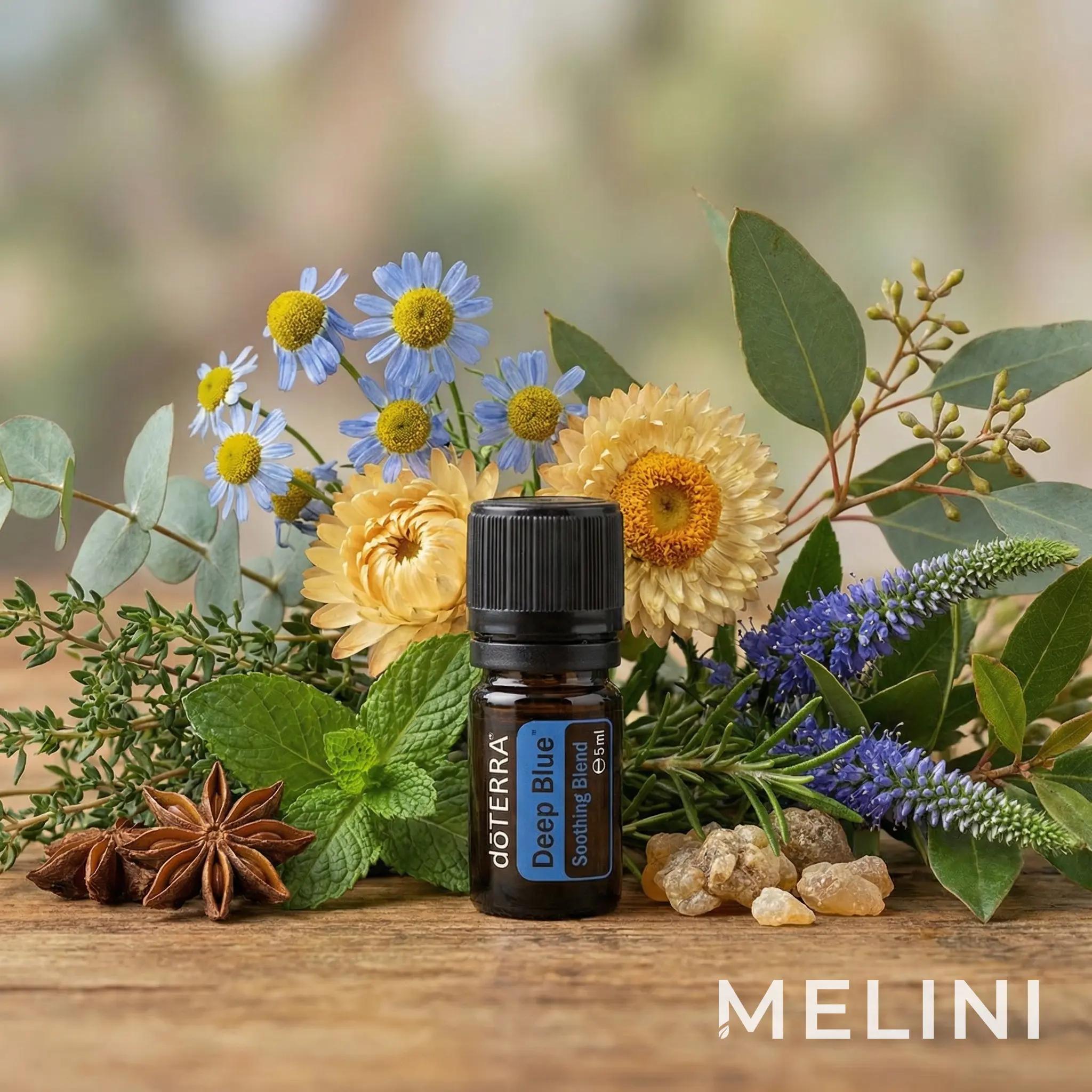
- Deep Blue Blend: A potent blend formulated to comfort sore muscles and encourage a sense of relief. Its combination of oils may help reduce shoulder tension. Check out doTERRA Deep Blue 5 ml here.
- Deep Blue Roll-On: Ideal for relief on the go, this roll-on formula can be applied directly to tender areas. Discover doTERRA Deep Blue Roll-On.
DIY Relaxing Massage Blend Recipe
Making your own massage blend is simple and lets you customize it to your personal preferences. Here’s an easy recipe to relieve shoulder tension:
- Gather your ingredients: 3 drops of doTERRA Lavender Essential Oil, 3 drops of doTERRA Deep Blue Blend, and a carrier oil (such as fractionated coconut or jojoba oil).
- In a small bowl or roller bottle, combine the essential oils with about 1 fl oz (30 ml) of your chosen carrier oil.
- Mix thoroughly until the oils are fully blended.
- To use, take a small amount of the blend and gently massage it into your shoulders and neck, adding more if needed.
- Focus on areas that feel particularly tight, using circular motions to help release the tension.
This calming massage blend not only feels wonderful but also allows you to incorporate the soothing properties of essential oils into your self-care routine.
How to Relieve Tension in Your Neck and Shoulders
In addition to using a massage blend, there are various techniques you can add to your daily routine to help ease tension in your neck and shoulders:
- Stretching: Regularly stretch your neck and shoulders. Simple neck rolls and shoulder shrugs can work wonders.
- Heat Therapy: Applying a warm compress or using a warm towel can help relax the muscles around your shoulders.
- Mindful Breathing: Practice deep breathing exercises to alleviate stress, which can contribute to muscle tension.
Combining these techniques with your DIY massage blend can enhance your overall relaxation experience and help keep tension at bay.
Frequently Asked Questions
Can I use other essential oils in this blend?
Absolutely! Feel free to experiment with other essential oils such as eucalyptus or peppermint, which may also help to ease tension.
How often can I use the massage blend?
You can use the blend as often as needed. Listen to your body and apply it whenever you feel tightness in your shoulders and neck.
Is there anyone who should avoid essential oils?
While essential oils are generally safe, pregnant individuals and those with certain health conditions should consult with a healthcare provider before use.
Conclusion
By incorporating a soothing massage blend using essential oils for tense shoulders into your routine, you can effectively alleviate tightness and promote relaxation. Remember that self-care is crucial for overall well-being. Enjoy your massage blend!
References
This article is educational and is not intended to diagnose, treat, cure, or prevent any disease. The sources below are listed so you can read the underlying research yourself. Findings vary in strength — laboratory studies do not show what an essential oil does in the human body, and no citation here should be read as a claim about any specific product. Always talk to your healthcare provider about your own situation.
- 1.Effects of aromatherapy on anxiety: a meta-analysis of randomized controlled trialsMeta-analysis of 25 articles (32 trials) · Journal of Affective Disorders · 2020Systematic review or meta-analysis
- 2.Essential oils, Part V: peppermint oil, lavender oil, and lemongrass oilde Groot A, Schmidt E. · Dermatitis · 2016Safety & toxicology data
- 3.AromatherapyNational Center for Complementary and Integrative Health (NIH) · NCCIH, U.S. National Institutes of HealthHealth authority / clinical guideline
Recommended Products
Related articles
Was this article helpful?

Written by
Valerie Engelson
Valerie Engelson is a Board Certified Holistic Health Practitioner, a Certified Essential Oil Specialist, and mom of two with a passion for helping people live healthier, more vibrant lives. She believes true health is about more than managing symptoms; it's about identifying and addressing the root causes while recognizing the connection between our physical, emotional, and mental well-being.