
Dealing with Exam Stress in the US
Exam stress is a common hurdle for students across the United States, often leading to anxiety and difficulty concentrating. As critical test periods approach, finding effective methods to manage stress and sharpen focus becomes incredibly important. Aromatherapy offers a holistic approach, utilizing essential oils that can potentially improve mood and mental clarity.
The Power of Aromatherapy
Aromatherapy harnesses essential oils, which are natural extracts from plants, to support physical and emotional well-being. Using essential oils for studying can do more than just create a peaceful environment; it may also enhance cognitive functions like concentration and memory retention. Many students discover that incorporating essential oils into their study routines can significantly lessen feelings of exam stress.
Top Essential Oils for Focus
Some of the most beneficial focus essential oils for students include:
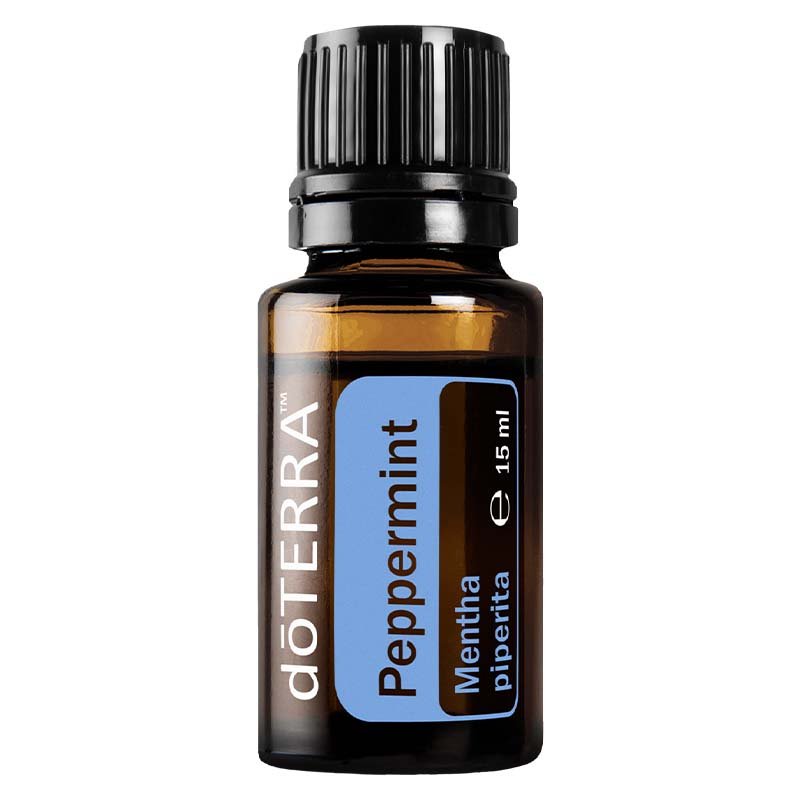
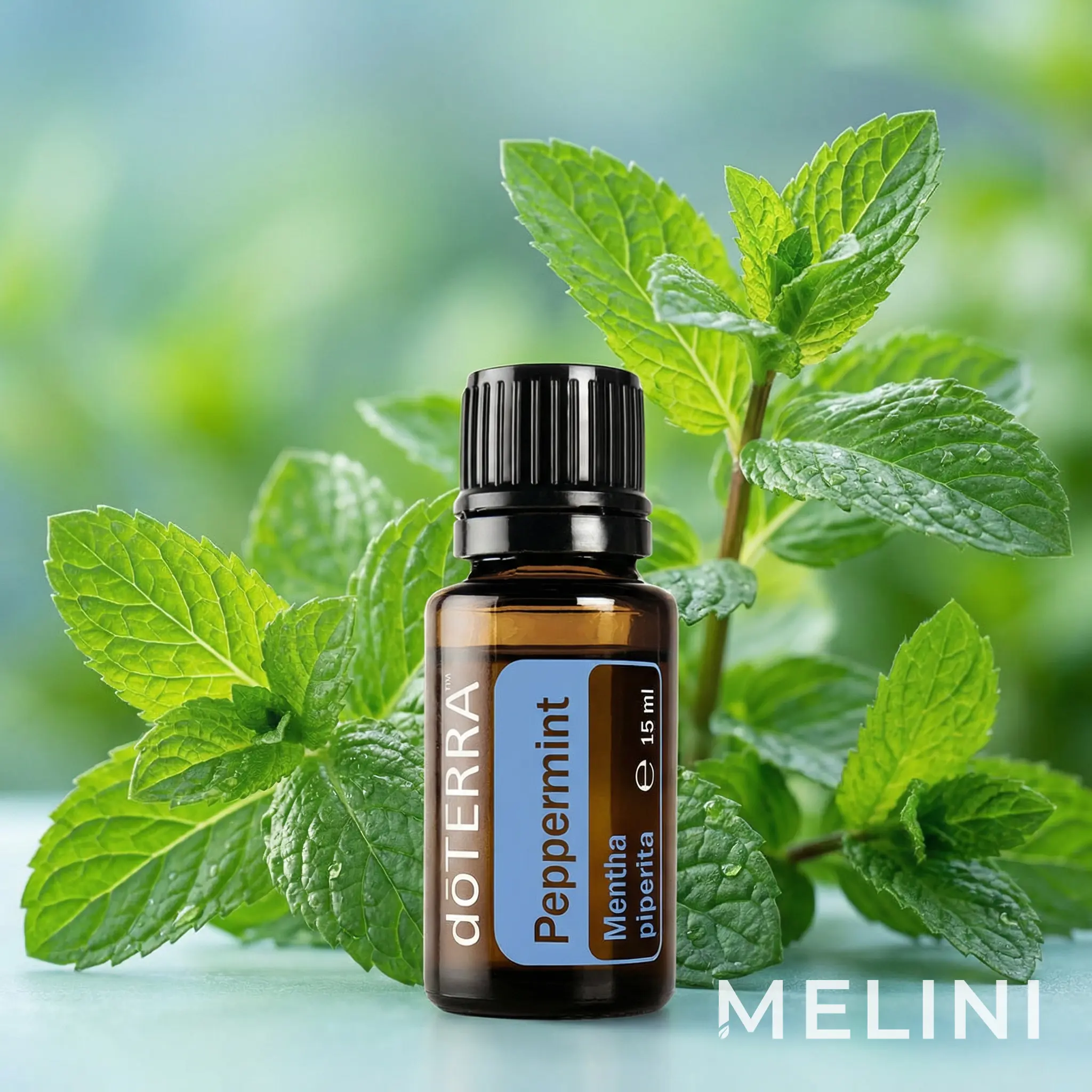
- Peppermint Essential Oil: Known for its invigorating scent, peppermint oil can help energize the mind and boost alertness.
- White Grapefruit Essential Oil: Its bright, citrusy aroma is traditionally used to uplift mood and diminish feelings of stress.
- Lavender Essential Oil: While primarily known for promoting relaxation, lavender can also aid in improving concentration when used sparingly.
How to Incorporate Essential Oils into Your Study Routine
There are several ways to integrate essential oils into your daily study habits. Here’s a straightforward guide to help you begin:
- Diffuse in Your Workspace: Add a few drops of your chosen essential oil to a diffuser. For example, combine doTERRA Peppermint Essential Oil with doTERRA White Grapefruit Essential Oil for an uplifting blend.
- Personal Aroma Inhaler: Craft a personal inhaler by adding about 10 drops of your preferred essential oil to an inhaler wick. When studying, simply take a whiff whenever you need a mental boost.
- Topical Application: Dilute essential oils with a carrier oil (like fractionated coconut oil) and apply them to pulse points such as your wrists or temples. This method offers both aromatic benefits and skin absorption.
- Calming Bath Soak: On particularly stressful days, adding a few drops of lavender oil to your bathwater can create a tranquil experience, helping to wash away tension.
Crafting Your Study Essential Oil Blend
For an effective study blend, try this simple recipe:
- Combine 5 drops of doTERRA Peppermint Essential Oil, 3 drops of doTERRA White Grapefruit Essential Oil, and 2 drops of Lavender Essential Oil.
- Add these oils to your diffuser filled with water. Diffuse while studying to help boost focus.
- Alternatively, mix these oils with a carrier oil for direct skin application.
Extra Support for Exam Stress
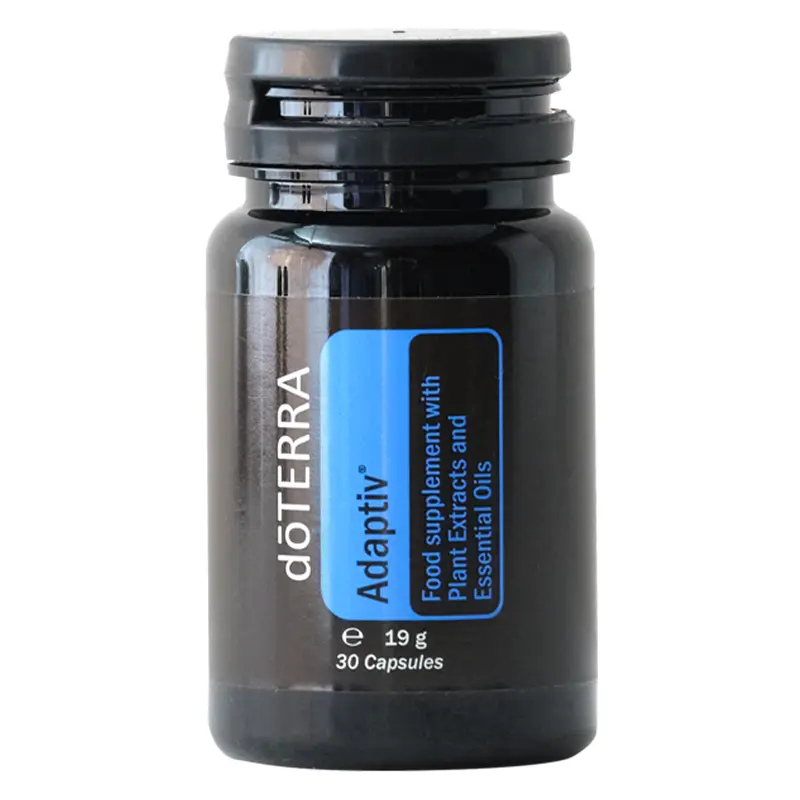
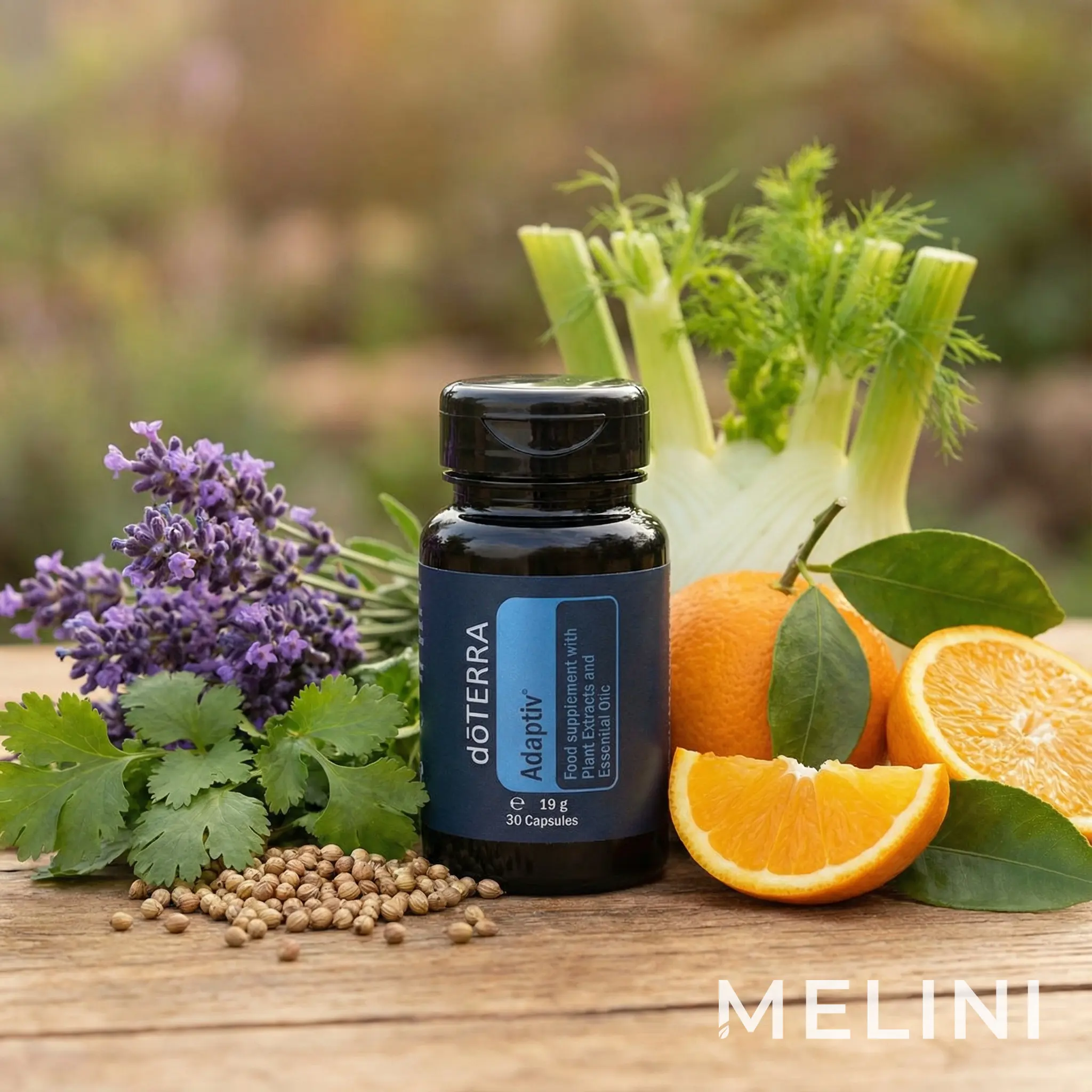
Beyond essential oils, consider the doTERRA Adaptiv Capsules, which can offer emotional support during high-stress periods. These capsules feature a blend of natural ingredients traditionally used to foster a sense of calm and ease.
Frequently Asked Questions
Can essential oils help with test anxiety?
Many students report that using essential oils helps ease feelings of anxiety linked to exams, though individual results may vary.
How do I pick essential oils for studying?
Choose essential oils that you find uplifting and refreshing, such as Peppermint or White Grapefruit. Your personal preference plays a significant role in how effective they will be for you.
Is aromatherapy safe for students?
When used correctly, aromatherapy is generally safe for students. Always perform a patch test for topical applications and avoid ingesting essential oils unless instructed by a qualified healthcare professional.
References
This article is educational and is not intended to diagnose, treat, cure, or prevent any disease. The sources below are listed so you can read the underlying research yourself. Findings vary in strength — laboratory studies do not show what an essential oil does in the human body, and no citation here should be read as a claim about any specific product. Always talk to your healthcare provider about your own situation.
- 1.Aromatherapy with inhalation effectively alleviates the test anxiety of college studentsMeta-analysis of 7 randomized controlled trials · Frontiers in Psychology / PMC · 2023Systematic review or meta-analysis
- 2.Effects of aromatherapy on anxiety: a meta-analysis of randomized controlled trialsMeta-analysis of 25 articles (32 trials) · Journal of Affective Disorders · 2020Systematic review or meta-analysis
- 3.Modulation of cognitive performance and mood by aromas of peppermint and ylang-ylangMoss M, Hewitt S, Moss L, Wesnes K. · International Journal of Neuroscience · 2008Randomized controlled trial
- 4.The Effects of Essential Oils on the Nervous System: A Scoping ReviewScoping review of human studies · Molecules · 2023Scientific review
Recommended Products
Related articles
The Best Diffuser to Make Your House Smell Amazing
How Often Should You Use a Diffuser? A Simple Guide
Aromatherapy Pressure Points for Everyday Tension
A Natural Evening Wind-Down Routine with Essential Oils
Was this article helpful?

Written by
Valerie Engelson
Valerie Engelson is a Board Certified Holistic Health Practitioner, a Certified Essential Oil Specialist, and mom of two with a passion for helping people live healthier, more vibrant lives. She believes true health is about more than managing symptoms; it's about identifying and addressing the root causes while recognizing the connection between our physical, emotional, and mental well-being.