
Essential Oil Dilution Chart and Safe Topical Use for Beginners
Using essential oils can be a delightful and enriching experience, offering aromas that may enhance mood and promote relaxation. However, safety should always come first, especially when it comes to topical applications. In this guide, we will provide you with an essential oil dilution chart, explain how to dilute essential oils properly, and outline best practices for safe topical use.
Why Dilute Essential Oils?
Essential oils are potent extracts obtained from various plants. This potency means that they can potentially cause skin irritation or sensitisation if applied undiluted. Diluting essential oils with a carrier oil is crucial, particularly for beginners, to ensure safe topical use. A carrier oil acts as a base, allowing the essential oil to be safely absorbed by the skin.
Essential Oil Dilution Chart
The following dilution chart is a handy guide for mixing essential oils with carrier oils for topical application:
- For Sensitive Skin: 0.5% dilution = 1 drop per 0.34 fl oz (10ml) of carrier oil
- For Children 2-6 Years: 1% dilution = 1 drop per 0.17 fl oz (5ml) of carrier oil
- For Children 6-13 Years: 2% dilution = 2 drops per 0.34 fl oz (10ml) of carrier oil
- For Adults: 2-5% dilution = 2-5 drops per 0.34 fl oz (10ml) of carrier oil
Always be cautious, start low, and increase only as necessary. The therapeutic purpose of the application can also influence the dilution rate.
How to Dilute Essential Oils
Here’s a practical, step-by-step method to dilute essential oils using a carrier oil:
- Choose Your Carrier Oil: Select a suitable carrier oil. Some popular options include coconut oil, jojoba oil, or almond oil.
- Calculate Your Ratio: Refer to the essential oil dilution chart above to determine the appropriate dilution for your age group or skin sensitivity.
- Measure the Carrier Oil: Pour the required amount of carrier oil into a small glass or ceramic bowl.
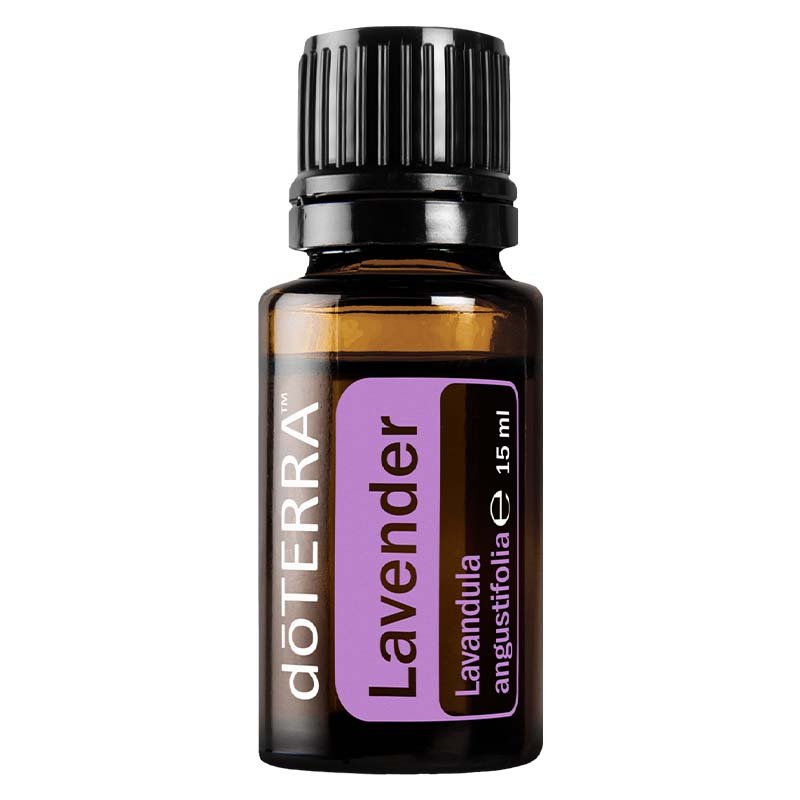
For example, if you’re using 0.34 fl oz (10ml) of carrier oil for a gentle adult blend, measure out the oil first. - Add Essential Oils: Add the specified number of drops of your essential oil to the carrier oil. For a relaxing blend, you might choose doTERRA Lavender Essential Oil.
- Mix Thoroughly: Stir the mixture well to combine the oils fully.
- Perform a Patch Test: Always apply a small amount to an inconspicuous area of skin to check for sensitivity before larger applications.
Best Practices for Safe Topical Use
When using essential oils topically, consider the following guidelines:
- Start Small: Begin with small quantities to gauge your skin's reaction.
- Research Each Oil: Different essential oils have varying properties; some may cause photosensitivity when exposed to sunlight.
- Avoid Sensitive Areas: Do not apply essential oils to sensitive areas such as the eyes, ears, or broken skin.
- Consult a Professional: If unsure about using a specific oil, consult a qualified aromatherapist or healthcare professional.
Recommended Essential Oil Blends
Here are a few simple blends you can create using the dilution guidelines:
- Calming Blend: 3 drops of doTERRA Lavender Essential Oil in 0.34 fl oz (10ml) of carrier oil. Perfect for a relaxing massage or adding to a bath.
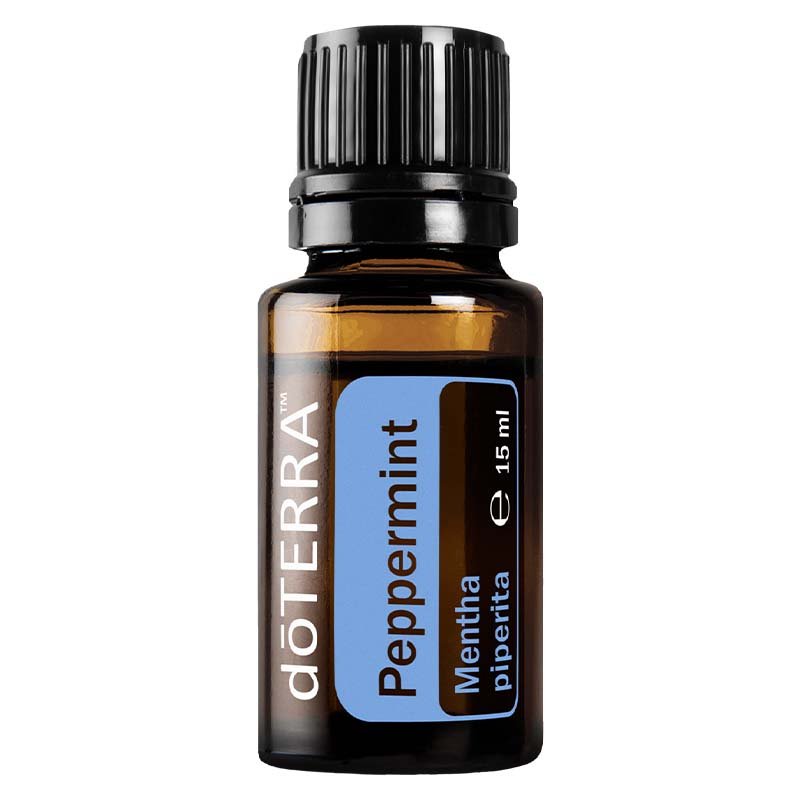
- Refreshing Blend: 3 drops of doTERRA Peppermint Essential Oil in 0.34 fl oz (10ml) of carrier oil. Great for a rejuvenating foot rub or after exercise.
Frequently asked questions
What is the best carrier oil for essential oils?
Common carrier oils include coconut oil, jojoba oil, sweet almond oil, and grapeseed oil. Choose one based on your skin type and preference.
Can I use essential oils directly on my skin?
It’s not recommended to use essential oils directly on the skin without dilution as they are very concentrated and may cause irritation.
How can I store diluted essential oils?
Store diluted essential oils in a cool, dark place, ideally in a glass container, to preserve their quality and effectiveness.
Conclusion
Understanding how to dilute essential oils properly and ensure their safe topical use is essential for beginners. By following the essential oil dilution chart and utilising the practices outlined in this guide, you can safely enjoy the benefits of these wonderful natural products.
References
This article is educational and is not intended to diagnose, treat, cure, or prevent any disease. The sources below are listed so you can read the underlying research yourself. Findings vary in strength — laboratory studies do not show what an essential oil does in the human body, and no citation here should be read as a claim about any specific product. Always talk to your healthcare provider about your own situation.
- 1.Essential oils, Part V: peppermint oil, lavender oil, and lemongrass oilde Groot A, Schmidt E. · Dermatitis · 2016Safety & toxicology data
- 2.Contact sensitization to hydroperoxides of limonene and linalool: results of consecutive patch testing and clinical relevanceConsecutive patch-test study · Contact Dermatitis · 2019Safety & toxicology data
- 3.Essential oils can contain allergenic hydroperoxides at eliciting levels, regardless of handling and storageRudbäck J, Islam MN, Börje A, Nilsson U, Karlberg AT. · Contact Dermatitis · 2015Safety & toxicology data
- 4.AromatherapyNational Center for Complementary and Integrative Health (NIH) · NCCIH, U.S. National Institutes of HealthHealth authority / clinical guideline
Recommended Products
Related articles
Do Essential Oils Expire? Your Guide to Shelf Life & Storage
Are Essential Oil Diffusers Safe for Babies, Pets, and Pregnancy?
Essential Oils Safe for Cats: A Complete Guide for US Pet Owners
Essential Oils to Avoid Diffusing Around Your Pets
Was this article helpful?

Written by
Valerie Engelson
Valerie Engelson is a Board Certified Holistic Health Practitioner, a Certified Essential Oil Specialist, and mom of two with a passion for helping people live healthier, more vibrant lives. She believes true health is about more than managing symptoms; it's about identifying and addressing the root causes while recognizing the connection between our physical, emotional, and mental well-being.