
Understanding Essential Oils' Impact on Your Pets
Essential oils are beloved for their pleasant aromas and potential wellness benefits. However, when it comes to our cherished pets, it's vital to understand which essential oils should not be diffused in their vicinity. Pets, especially cats and dogs, possess different metabolic systems and sensitivities compared to humans, making it crucial to select pet-safe essential oils for use in your home.
Essential Oils to Steer Clear Of Around Pets
Many essential oils can be detrimental to animals when diffused. Some oils can be poisonous if consumed, inhaled in significant amounts, or even absorbed through the skin. Here are some essential oils to avoid diffusing around your pets:
- Tea Tree Oil: Commonly used for its antibacterial properties, tea tree oil can potentially cause neurological damage in pets.
- Pine Oil: Often appreciated for its fresh scent, it may lead to severe digestive problems in cats and dogs.
- Citrus Oils: While uplifting, oils such as lemon, orange, and grapefruit can be harmful to both cats and dogs.
- Lavender Oil: Although popular for its calming attributes, it might not be appropriate for all pets, particularly felines.
- Peppermint Oil: Traditionally used to alleviate feelings of nausea, peppermint oil can cause respiratory distress in pets.
- Clove Oil: Known for its potent aroma, clove oil can result in liver damage if ingested by pets.
Safe Diffusing Practices When You Have Pets
To safeguard your pets' health and well-being while still enjoying the advantages of essential oils, follow these guidelines:
- Do Your Homework First: Before using any essential oil, confirm its safety for the specific type of pet you own.
- Use a Quality Diffuser: Opt for a reliable diffuser like the doTERRA Volo Diffuser, which allows for controlled diffusion of oils rather than burning them.
- Consider Your Pets: Always ensure your pet has the freedom to leave the area where the diffuser is operating. Good ventilation is also essential.
- Start with Low Concentrations: Begin with a very diluted blend to observe how your pet reacts before increasing the concentration.
- Watch for Reactions: Pay close attention to your pet’s behavior; if they show any signs of discomfort, stop using the oils immediately.
Pet-Friendly Essential Oils
While some essential oils may pose risks, there are many pet-safe essential oils that you can enjoy. Here are a few options:
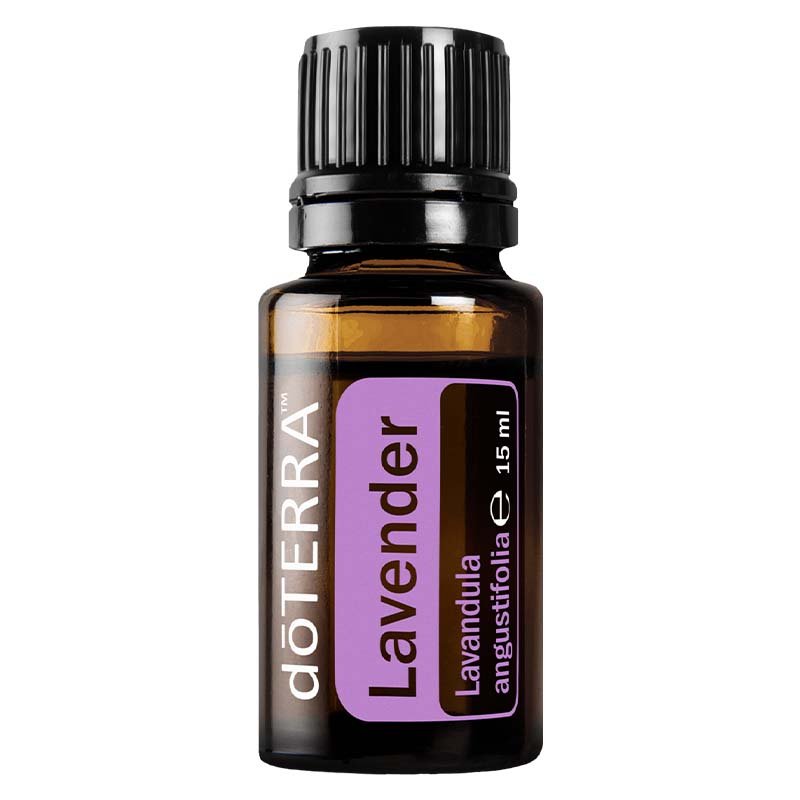
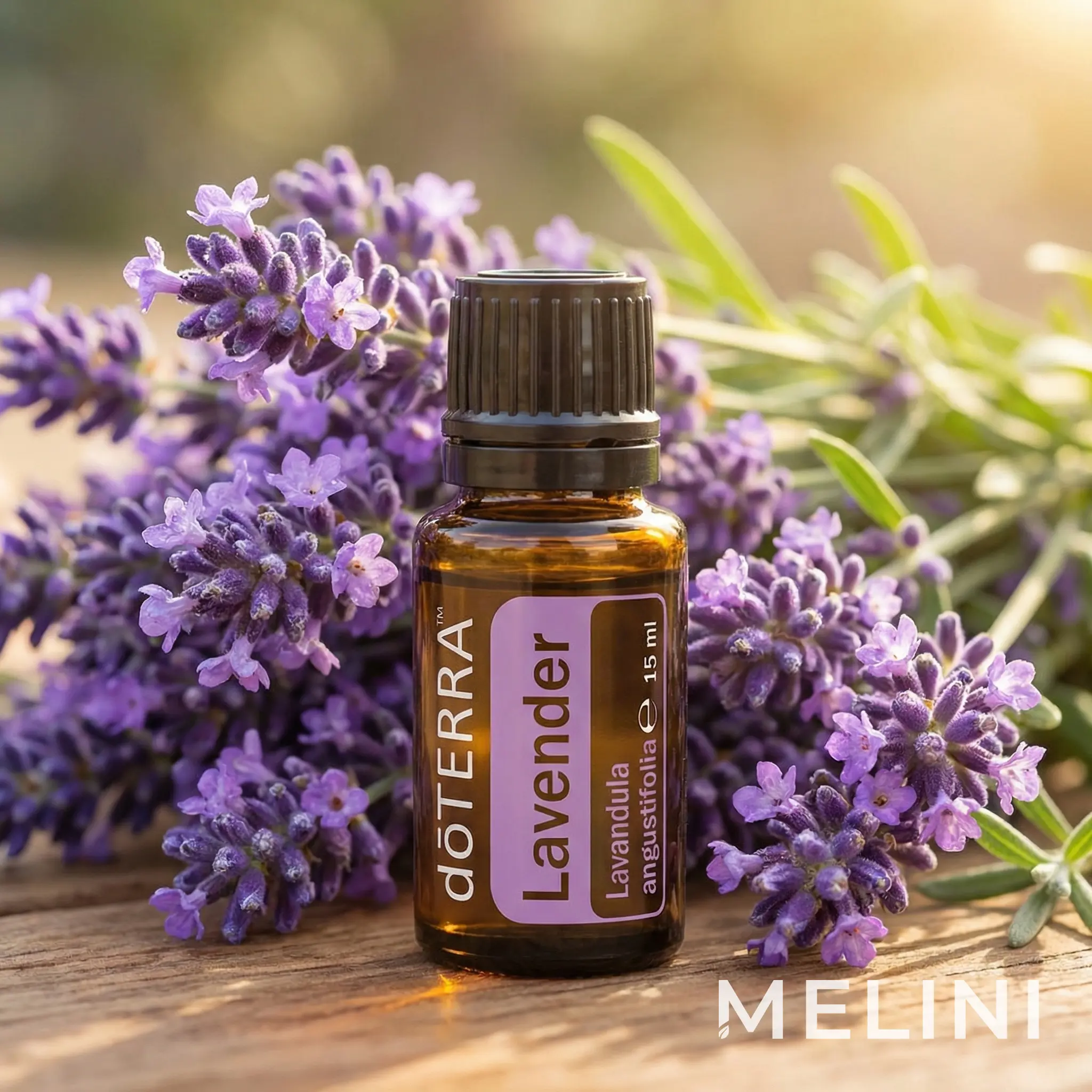
- Lavender Essential Oil: While it may not be suitable for all pets, many dogs benefit from its calming effects. For a safe option, try our doTERRA Lavender Essential Oil 15 ml.
- Frankincense Oil: Recognized for its grounding properties, this oil is generally safe for both cats and dogs.
- Cardamom Oil: This oil is safe and may assist with digestive issues in pets.
- Myrrh Oil: Traditionally used for its soothing attributes, myrrh oil presents a low toxicity risk for pets.
Frequently Asked Questions
Can I use essential oils around my pets?
Yes, but it’s critical to select pet-safe essential oils and exercise caution regarding which ones you use. Always monitor your pet for any adverse reactions.
How can I safely diffuse essential oils with pets?
Utilize a safe diffuser, provide a well-ventilated space, and ensure your pet can exit the area when necessary. Start with low concentrations to observe their reaction.
Are there safe alternatives to essential oils for calming pets?
Yes, you might consider using soothing music, a quiet environment, or even pet-specific calming products that do not contain essential oils.
Conclusion
In summary, when it comes to diffusing essential oils with pets, their safety must be your number one priority. By avoiding harmful oils and opting for pet-safe essential oils, you can create a comforting environment for both you and your furry companions. Always remember to closely observe your pets when diffusing oils and consult your veterinarian if you have any concerns.
References
This article is educational and is not intended to diagnose, treat, cure, or prevent any disease. The sources below are listed so you can read the underlying research yourself. Findings vary in strength — laboratory studies do not show what an essential oil does in the human body, and no citation here should be read as a claim about any specific product. Always talk to your healthcare provider about your own situation.
- 1.Concentrated tea tree oil toxicosis in dogs and cats: 443 cases (2002–2012)Khan SA, McLean MK, Slater MR. · Journal of the American Veterinary Medical Association · 2014Safety & toxicology data
- 2.Toxicoses From Essential Oils in AnimalsMerck Veterinary Manual · Merck & Co. (professional veterinary reference) · 2025Safety & toxicology data
- 3.Tea Tree Oil: Usefulness and SafetyNational Center for Complementary and Integrative Health (NIH) · NCCIH, U.S. National Institutes of HealthHealth authority / clinical guideline
Recommended Products
Related articles
Are Essential Oil Diffusers Safe for Babies, Pets, and Pregnancy?
Essential Oils Safe for Cats: A Complete Guide for US Pet Owners
Essential Oil Dilution Guide: Safe Use for All Ages & Skin Types
Essential Oil Dilution Chart & Safe Topical Use
Was this article helpful?

Written by
Victoria Plekenpol
Victoria Plekenpol is a Functional Nutritionist, Wellness Coach, and mom of three who helps health-conscious families simplify wellness and build practical habits that last. Drawing on science-backed education and real-life experience, she guides families toward more energy, stronger foundations, and the confidence to own their health naturally.