
Understanding Essential Oil vs Fragrance Oil
In the world of scented products, there's often confusion surrounding the terms essential oil vs fragrance oil. While both types of oils deliver aromas, they serve distinct purposes and come from different origins. Grasping these distinctions can help you make smart choices when buying products for your home or personal care routine.
What Are Essential Oils?
Essential oils are highly concentrated extracts derived from various parts of plants, including their leaves, blossoms, stems, bark, and roots. These oils capture the genuine essence of the plant, providing a broad spectrum of natural scents and properties. Notably, pure essential oils are extremely potent and typically sold in a 100% pure form.
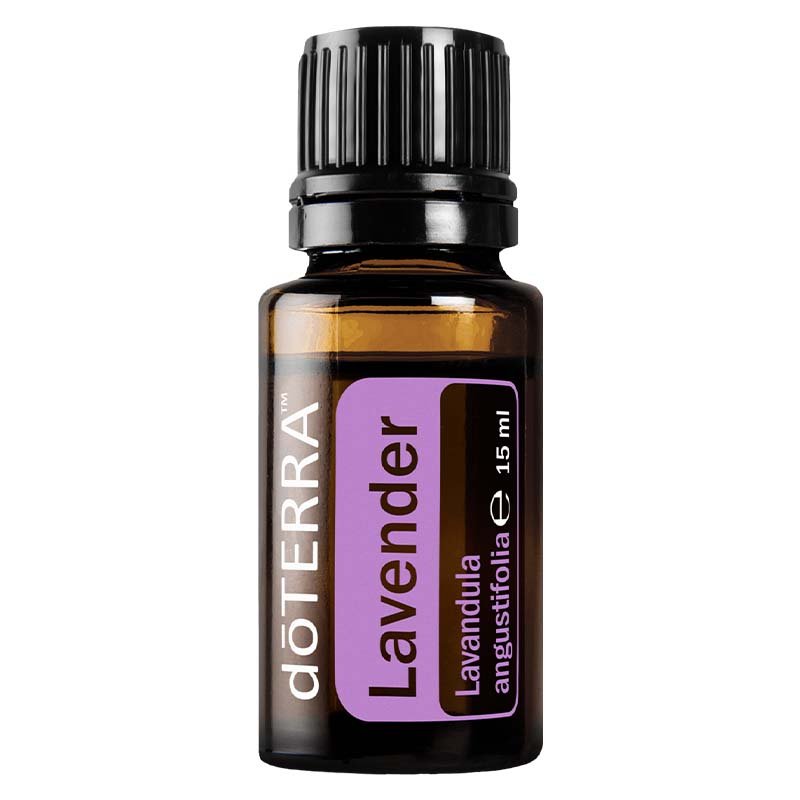
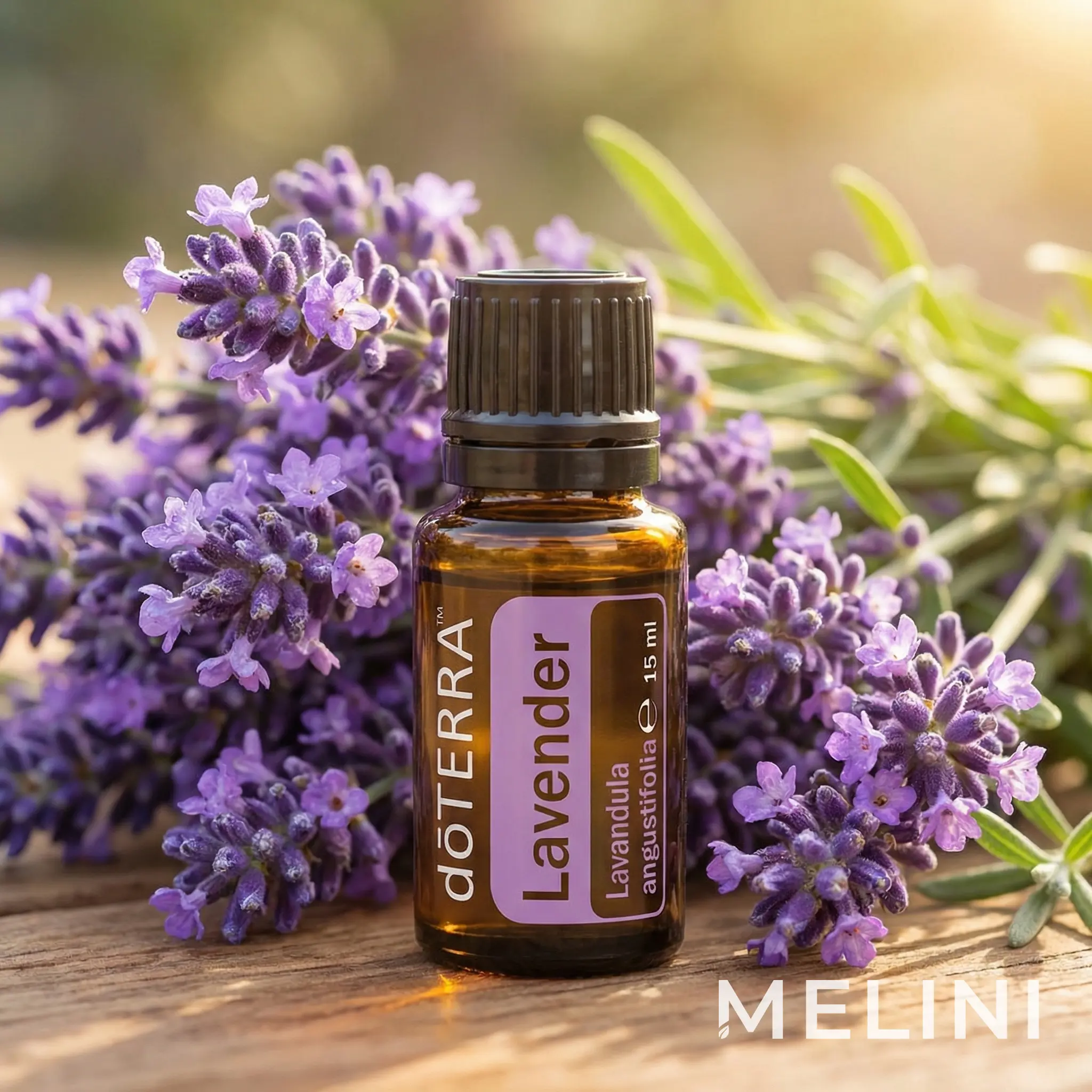
For a wonderful, calming experience, we suggest doTERRA Lavender Essential Oil 15 ml, celebrated for its soothing qualities that can help reduce stress.
What Are Fragrance Oils?
In contrast, fragrance oils are synthetic compounds, or a blend of synthetic and natural ingredients, crafted to imitate specific aromas. Frequently used in the cosmetics and home fragrance industries, these oils can be formulated to replicate smells that don't naturally exist or to enhance certain aspects of essential oils.
While fragrance oils can offer a long-lasting scent, they do not possess the therapeutic benefits found in pure essential oils. Therefore, their primary use is for perfuming rather than providing any natural wellness advantages.
Key Differences Between Essential Oil and Fragrance Oil
- Origin: Essential oils are plant-derived, while fragrance oils are often synthetic.
- Makeup: Pure essential oils consist of natural compounds, whereas fragrance oils may include artificial ingredients.
- Application: Essential oils are commonly used for aromatherapy and well-being, while fragrance oils are typically used for scenting goods.
- Scent Profile: Essential oils often have a richer, more intricate aroma, while fragrance oils can deliver stronger but less nuanced scents.
Why Opt for Pure Essential Oils?
Choosing pure essential oils guarantees you receive the full spectrum of benefits offered by the plant. As mentioned, essential oils may assist with relaxation, stress relief, and more. It's crucial to confirm that the product is labeled as essential oil 100% pure to ensure you're getting an authentic item.
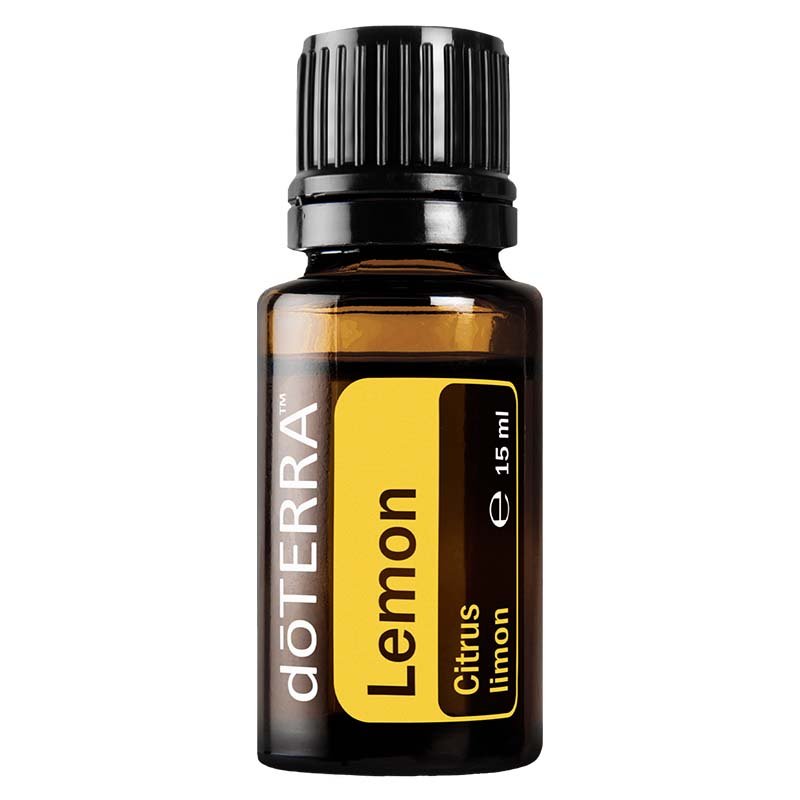
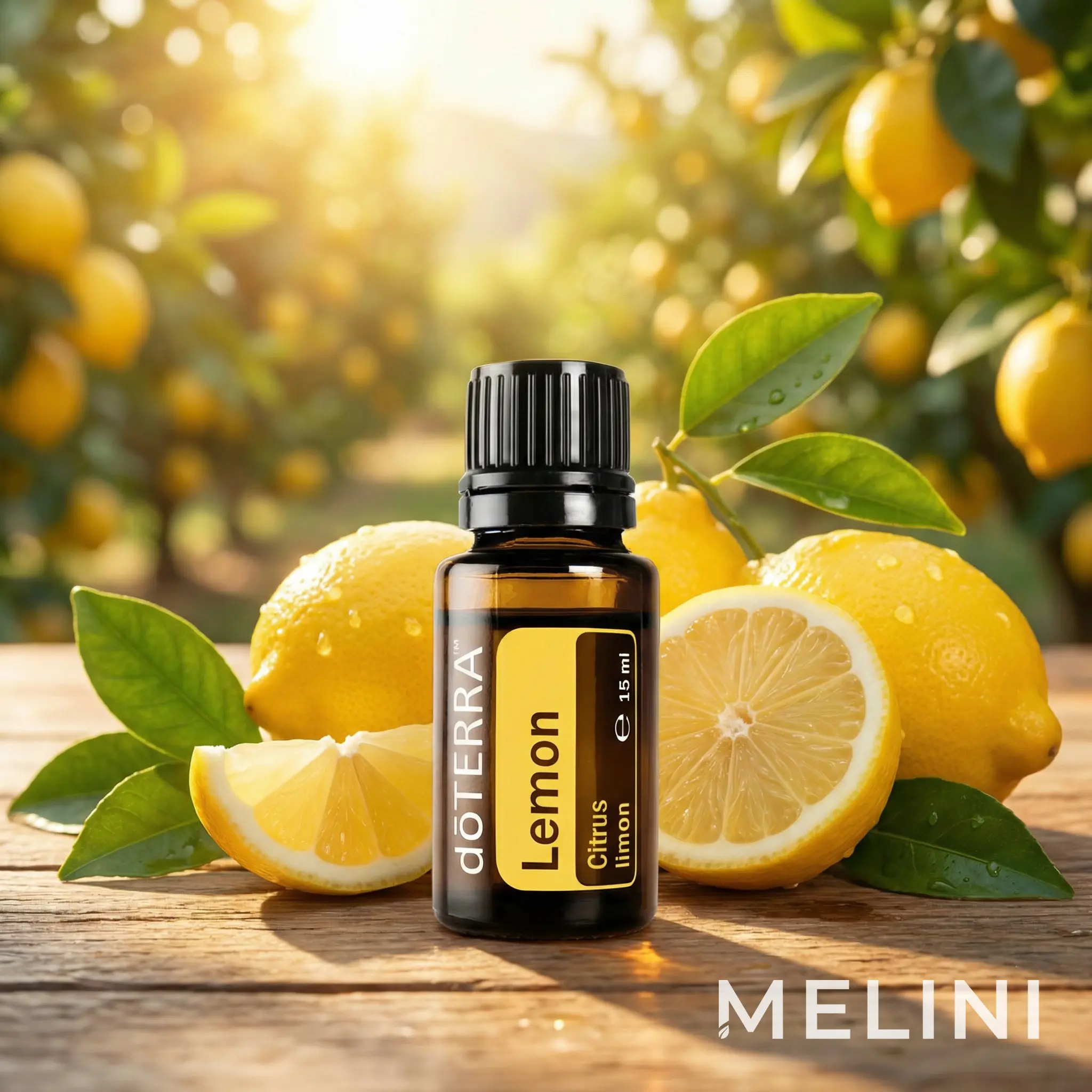
For a refreshing and uplifting aroma, consider doTERRA Lemon Essential Oil 15 ml, which can help invigorate your senses and boost your mood.
How to Use Essential Oils Effectively
To maximize the benefits of your essential oils, consider these practical steps:
- Aromatherapy Diffusion: Add a few drops of your preferred essential oil to a diffuser to create a calming ambiance.
- Personal Fragrance: Mix essential oils with a carrier oil and apply to pulse points for a subtle, natural scent.
- Household Cleaners: Incorporate essential oils into your home cleaning routine by adding them to DIY solutions for natural cleaning power.
- Soothing Bath: Add a few drops of essential oil to your bathwater for a relaxing soak.
By following these suggestions, you can effectively integrate essential oils into your daily life and enjoy their numerous advantages.
Frequently Asked Questions
Can I use fragrance oils for aromatherapy?
Fragrance oils are generally not recommended for aromatherapy because they lack the natural therapeutic properties that essential oils provide.
How do I know if I'm buying a pure essential oil?
Look for a label that clearly states "100% pure essential oil" and check for quality certifications or detailed sourcing information.
Can I mix essential oils?
Yes, many essential oils can be blended together to create unique and personalized scents. Just be sure to research compatibility before combining them.
Conclusion
Understanding the distinctions between essential oil versus fragrance oil can significantly enhance your experience with aromatic products. For wholesome, natural options, lean towards pure essential oils that not only offer delightful aromas but may also bring various benefits to your life.
References
This article is educational and is not intended to diagnose, treat, cure, or prevent any disease. The sources below are listed so you can read the underlying research yourself. Findings vary in strength — laboratory studies do not show what an essential oil does in the human body, and no citation here should be read as a claim about any specific product. Always talk to your healthcare provider about your own situation.
- 1.AromatherapyNational Center for Complementary and Integrative Health (NIH) · NCCIH, U.S. National Institutes of HealthHealth authority / clinical guideline
- 2.The Effects of Essential Oils on the Nervous System: A Scoping ReviewScoping review of human studies · Molecules · 2023Scientific review
- 3.Essential oils, Part V: peppermint oil, lavender oil, and lemongrass oilde Groot A, Schmidt E. · Dermatitis · 2016Safety & toxicology data
- 4.Essential oils can contain allergenic hydroperoxides at eliciting levels, regardless of handling and storageRudbäck J, Islam MN, Börje A, Nilsson U, Karlberg AT. · Contact Dermatitis · 2015Safety & toxicology data
- 5.Contact sensitization to hydroperoxides of limonene and linalool: results of consecutive patch testing and clinical relevanceConsecutive patch-test study · Contact Dermatitis · 2019Safety & toxicology data
- 6.Studies on the autoxidation and sensitizing capacity of the fragrance chemical linalool, identifying a linalool hydroperoxideSköld M, Börje A, Matura M, Karlberg AT. · Contact Dermatitis · 2002Safety & toxicology data
Recommended Products
Related articles
doTERRA vs Young Living: An Honest Comparison
doTERRA On Guard vs Air (Breathe): Choosing Your Protective Blend
Layering and Blending Essential Oils Like a Pro
Understanding doTERRA: CPTG Quality and Its Importance
Was this article helpful?

Written by
Valerie Engelson
Valerie Engelson is a Board Certified Holistic Health Practitioner, a Certified Essential Oil Specialist, and mom of two with a passion for helping people live healthier, more vibrant lives. She believes true health is about more than managing symptoms; it's about identifying and addressing the root causes while recognizing the connection between our physical, emotional, and mental well-being.