
How to Layer and Blend Essential Oil Scents Like a Perfumer
Crafting your own signature essential oil scent can be a truly enjoyable and fulfilling endeavor. By grasping how to blend essential oils effectively, you can develop fragrances that not only align with your personal preferences but also potentially serve various aromatherapy benefits. This guide will introduce you to the world of essential oil scent layering, explain the importance of top, middle, and base notes, and provide practical steps for creating your very own custom blend.
Understanding the Basics of Essential Oil Blending
Before you dive into the blending process, it's crucial to understand the concept of fragrance notes. There are three main categories:
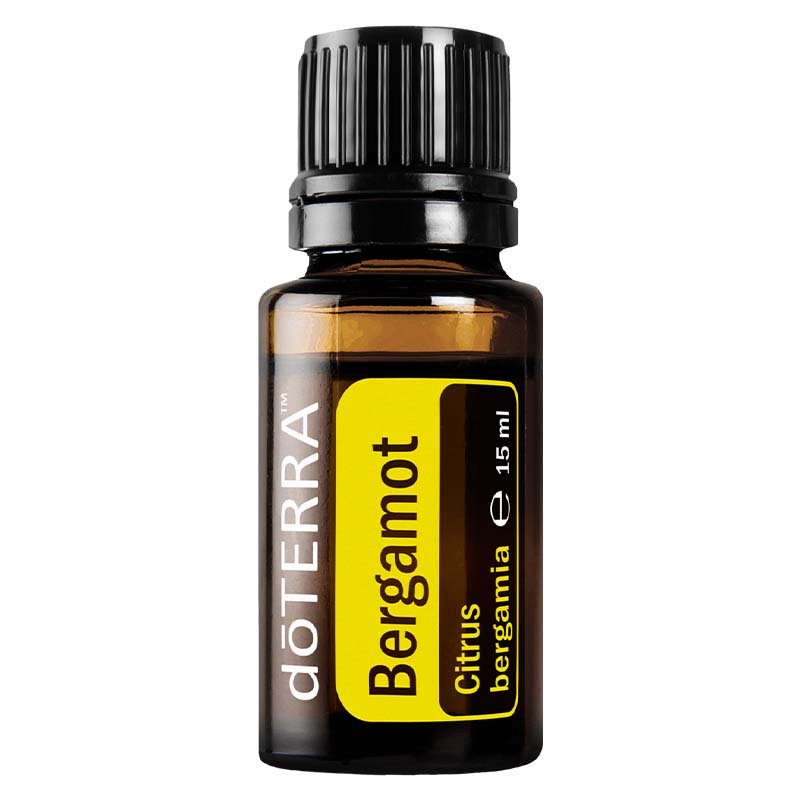
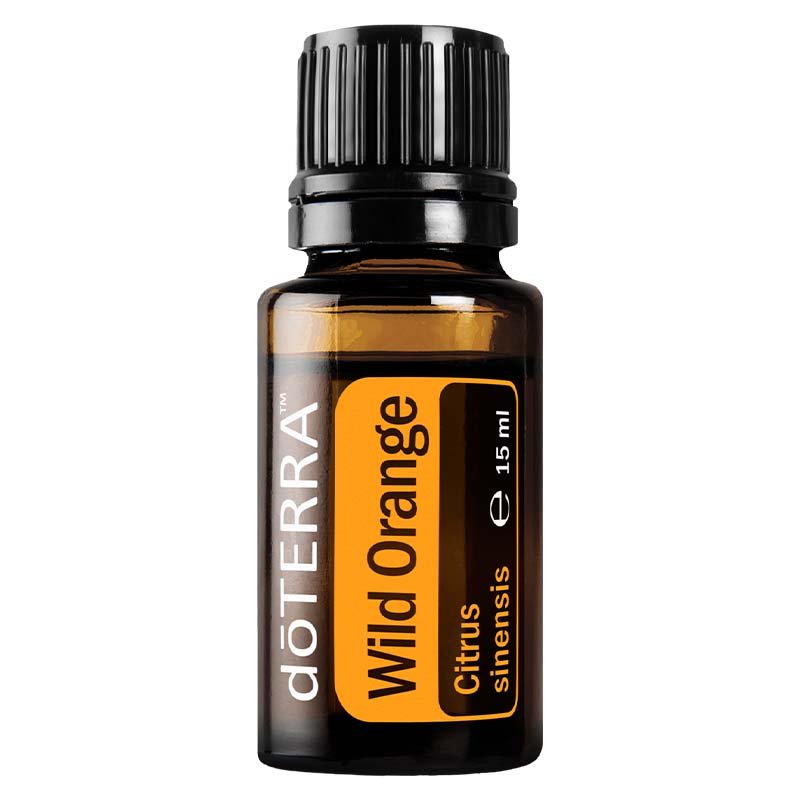
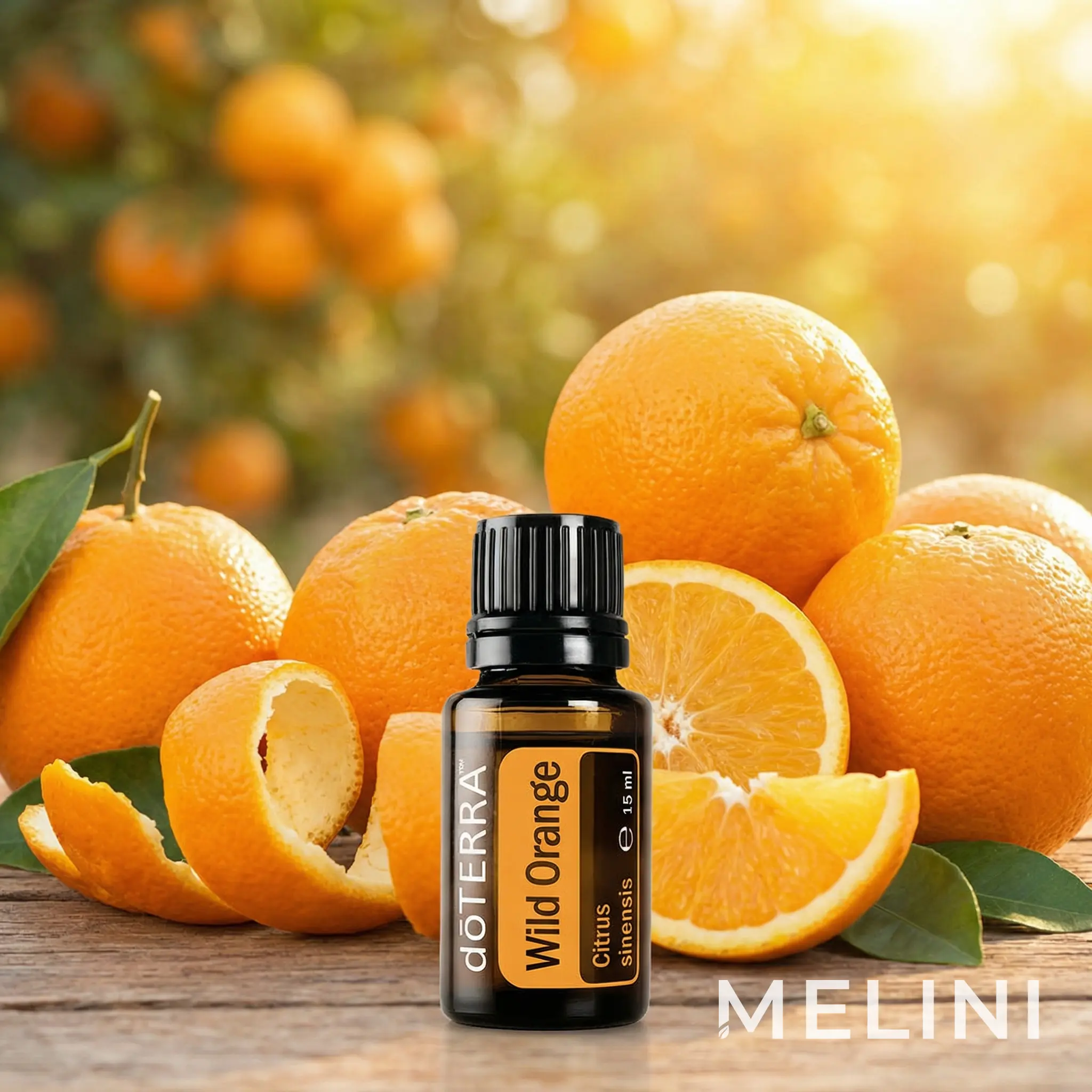
- Top Notes: These are the initial scents you'll notice, and they tend to evaporate fairly quickly. Common top notes include citrus oils like doTERRA Wild Orange Essential Oil and bergamot oils.
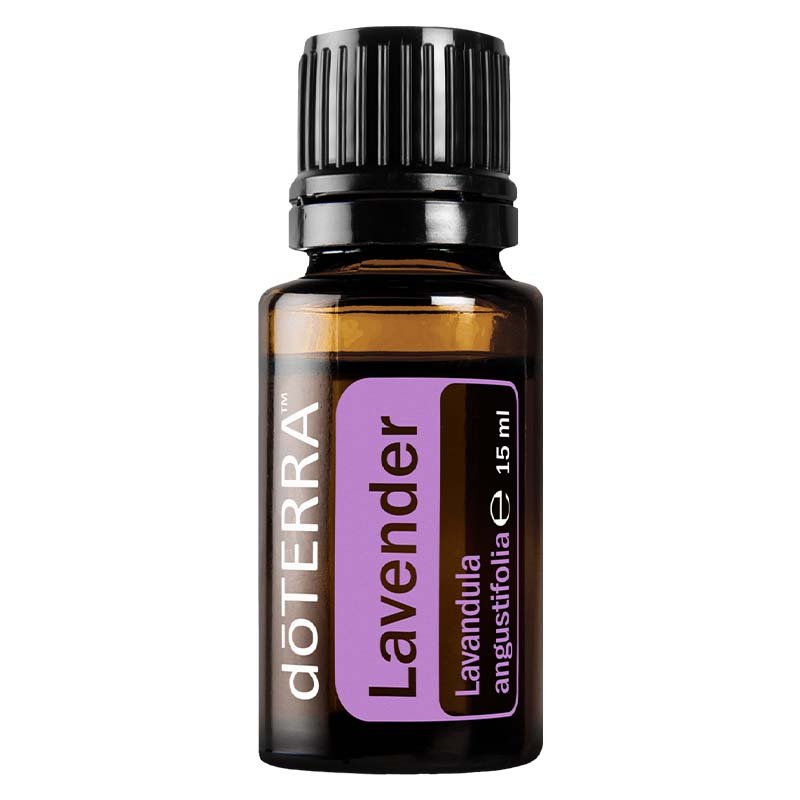
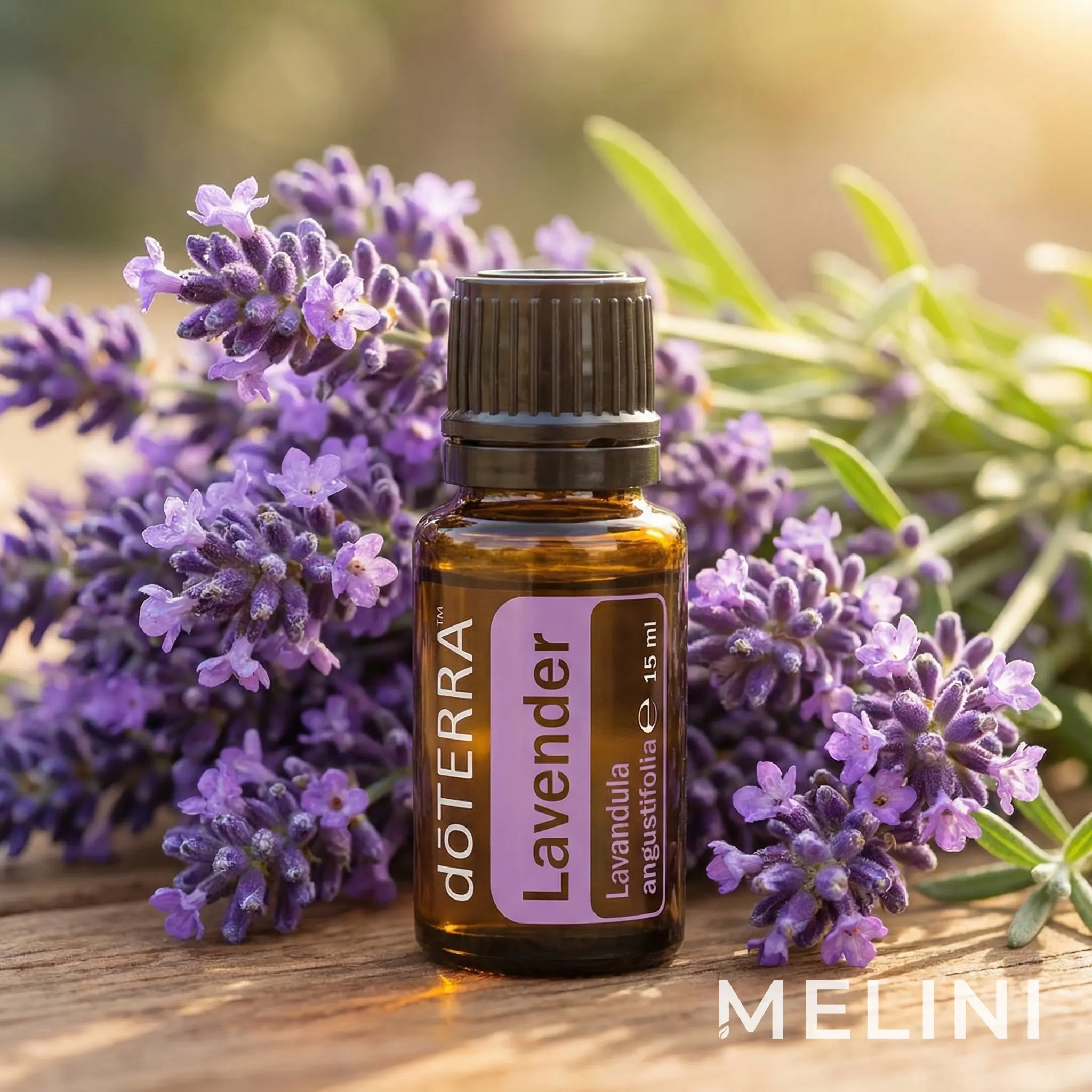
- Middle Notes: Also known as heart notes, these emerge just after the top notes fade and form the core of your fragrance. Floral oils like doTERRA Lavender Essential Oil are typical examples.
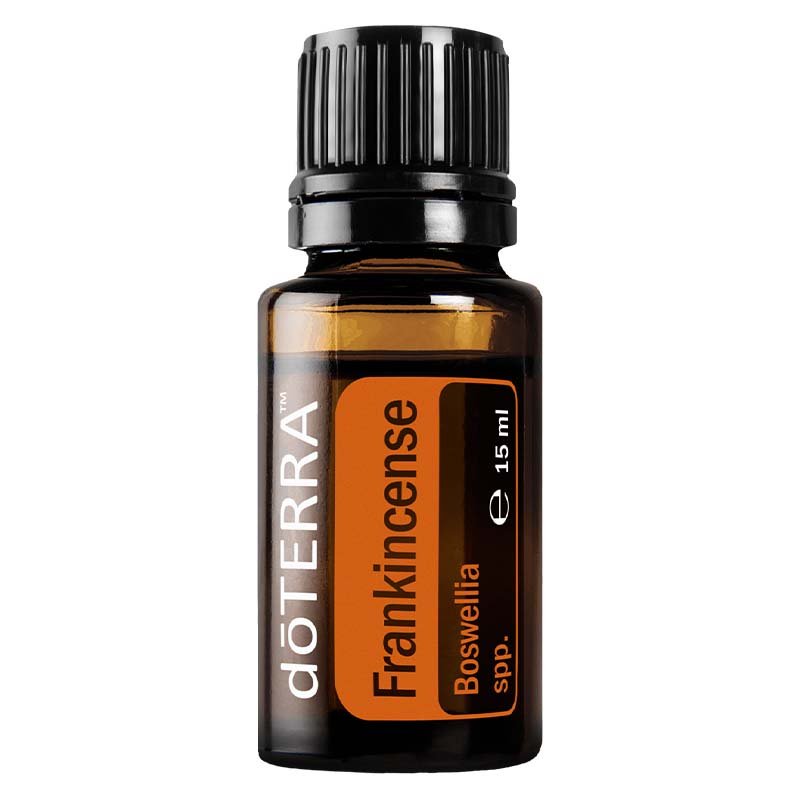
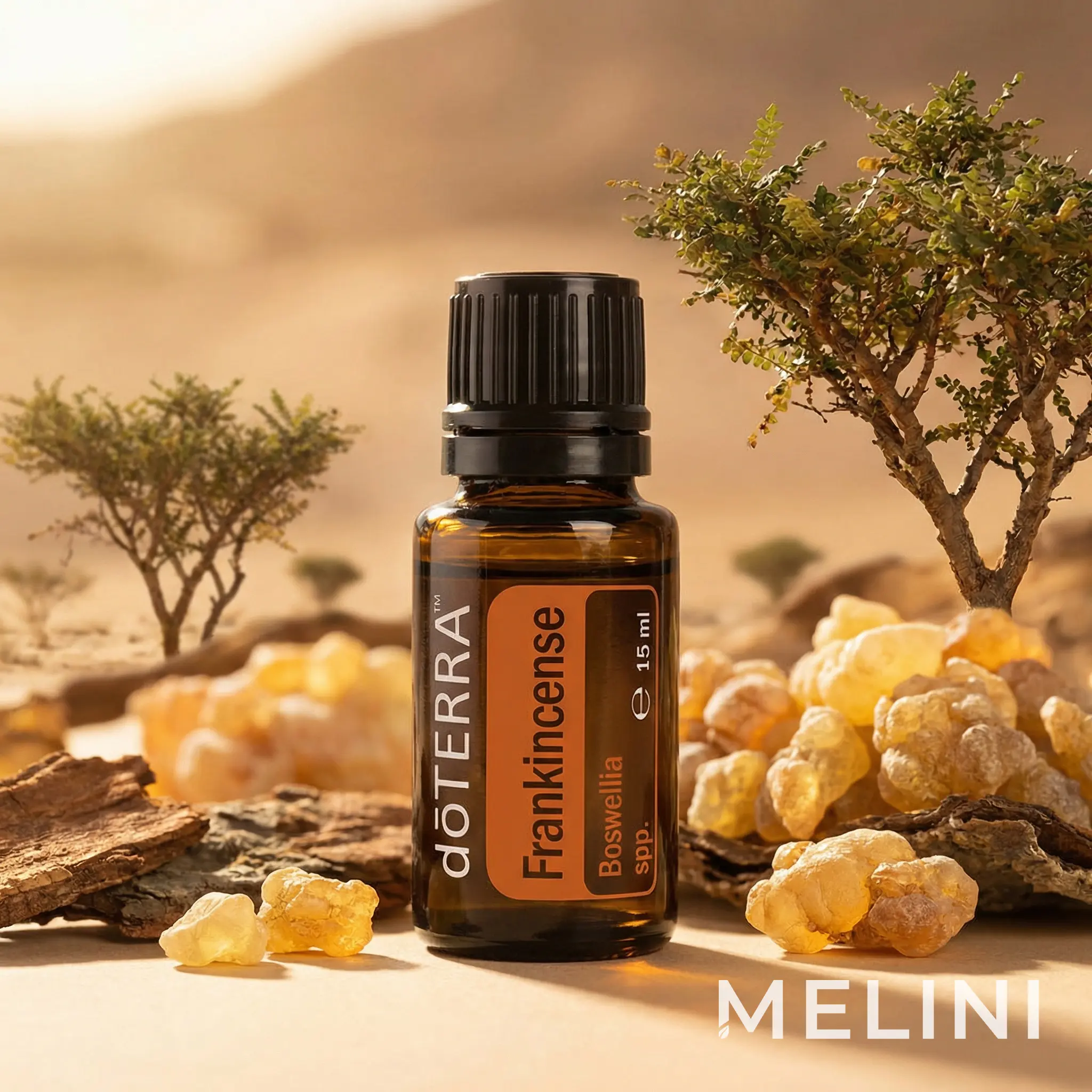
- Base Notes: These scents linger the longest and provide a rich depth to your blend. Oils such as frankincense, found in doTERRA Frankincense Essential Oil, perform this function beautifully.
The Art of Scent Layering
Essential oil scent layering involves balancing these three note categories to achieve a harmonious fragrance. Below are some practical steps to guide you:
Step-by-Step Guide to Making Your Own Blend
- Select Your Oils: Choose 3-5 oils that you enjoy. Aim for a combination that includes base, middle, and top notes.
- Understand Ratios: A common ratio is 30% top notes, 50% middle notes, and 20% base notes. Start with just a drop or two of each oil.
- Mix Your Blends: In a dark glass bottle (to protect the oils from light), begin by adding your base notes first, then the middle notes, and finally the top notes.
- Test and Adjust: After mixing, let your blend sit for a day or two. This allows the scents to fully meld. Test the fragrance and adjust if necessary. You might want to add more of one note to better balance your blend.
- Store Properly: Keep your essential oil blend in a cool, dark place. Always label your blends with the ingredients and the date you created them.
Blending Suggestions
Here are some simple blends to inspire you:
- Citrus Fresh: 3 drops of Wild Orange, 2 drops of bergamot, and 1 drop of lavender.
- Relaxing Lavender: 3 drops of Lavender, 2 drops of frankincense, and 1 drop of wild orange.
- Grounding Blend: 2 drops of frankincense, 3 drops of bergamot, and 2 drops of lavender.
Frequently Asked Questions
Can I use carrier oils in my blends?
Absolutely! Carrier oils are beneficial for dilution, especially when applying topically. They also help to extend the longevity of your fragrance.
Do I need special tools to blend essential oils?
While specialized equipment isn't strictly necessary, having a set of measuring droppers and dark glass bottles will definitely enhance your blending experience.
How do I know when my blend is ready?
Allow your blend to sit for at least 48 hours. The scents will evolve as they mix and marry, and you may find that it smells quite different compared to when you first created it.
Conclusion
Blending and layering essential oils can be a delightful journey into the world of aromas. With a fundamental understanding of top, middle, and base notes, and by following the steps outlined above, you can confidently create your own unique fragrances perfectly tailored to your taste.
References
This article is educational and is not intended to diagnose, treat, cure, or prevent any disease. The sources below are listed so you can read the underlying research yourself. Findings vary in strength — laboratory studies do not show what an essential oil does in the human body, and no citation here should be read as a claim about any specific product. Always talk to your healthcare provider about your own situation.
- 1.AromatherapyNational Center for Complementary and Integrative Health (NIH) · NCCIH, U.S. National Institutes of HealthHealth authority / clinical guideline
- 2.The Effects of Essential Oils on the Nervous System: A Scoping ReviewScoping review of human studies · Molecules · 2023Scientific review
- 3.Essential oils, Part V: peppermint oil, lavender oil, and lemongrass oilde Groot A, Schmidt E. · Dermatitis · 2016Safety & toxicology data
- 4.Essential oils can contain allergenic hydroperoxides at eliciting levels, regardless of handling and storageRudbäck J, Islam MN, Börje A, Nilsson U, Karlberg AT. · Contact Dermatitis · 2015Safety & toxicology data
- 5.Contact sensitization to hydroperoxides of limonene and linalool: results of consecutive patch testing and clinical relevanceConsecutive patch-test study · Contact Dermatitis · 2019Safety & toxicology data
- 6.Studies on the autoxidation and sensitizing capacity of the fragrance chemical linalool, identifying a linalool hydroperoxideSköld M, Börje A, Matura M, Karlberg AT. · Contact Dermatitis · 2002Safety & toxicology data
Recommended Products

Related articles
doTERRA On Guard vs Air (Breathe): Choosing Your Protective Blend
Essential Oil vs Fragrance Oil: Key Differences Explained
doTERRA vs Young Living: An Honest Comparison
Understanding doTERRA: CPTG Quality and Its Importance
Was this article helpful?

Written by
Valerie Engelson
Valerie Engelson is a Board Certified Holistic Health Practitioner, a Certified Essential Oil Specialist, and mom of two with a passion for helping people live healthier, more vibrant lives. She believes true health is about more than managing symptoms; it's about identifying and addressing the root causes while recognizing the connection between our physical, emotional, and mental well-being.