
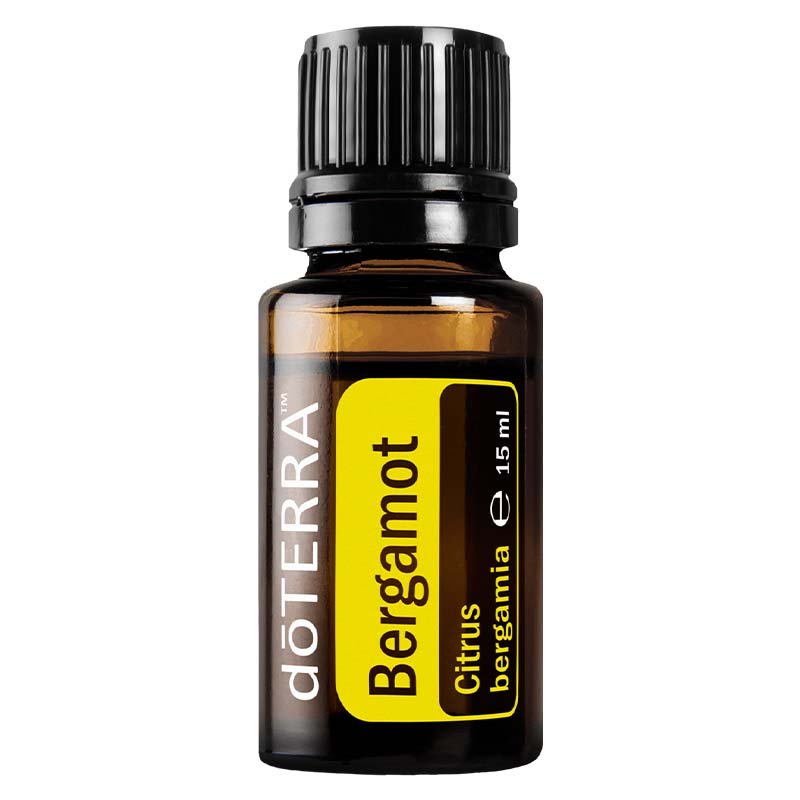
Bergamot is one of the most searched-for single oils in any collection, and one of the most misunderstood. This profile covers what it is, where it comes from, what it actually smells like and how people use it day to day — no health claims, just the practical detail.
Botanical name and family
Citrus bergamia — Rutaceae (citrus family).
Where it comes from
Almost the entire world supply comes from a narrow strip of the Calabrian coast in southern Italy, where the fruit will not grow the same way anywhere else.
How it is extracted
Cold expression of the rind of the barely ripe fruit.
Aromatic profile
Citrus with a floral heart — less sweet than orange, less sharp than lemon, with a soft, slightly spicy elegance. The scent behind Earl Grey tea.
Everyday ways people use Bergamot
- Diffuse two drops in the evening for a soft, refined-smelling room.
- Dilute one drop in carrier oil for a calm-scented massage or shoulder rub.
- Add a drop to a bowl of loose black tea leaves for a homemade Earl Grey.
- Blend with Lavender in a diffuser as a wind-down scent before bed.
Blends well with: Lavender, Frankincense, Copaiba.
Safety and dilution
One of the most photosensitive oils: keep skin where it was applied out of sunlight for at least 12 hours. Dilute to 1% and store in glass. Keep essential oils out of reach of children, and speak to your own healthcare provider before using them if you are pregnant, nursing or managing a medical condition.
Good to know
Why does Bergamot smell like Earl Grey tea?
Because Earl Grey is black tea scented with bergamot — the aroma is the same fruit.
Is Bergamot safe to use before going outside?
Not on exposed skin. It is strongly photosensitive, so apply it to covered areas or use it in a diffuser instead.
What blends well with Bergamot?
Lavender and Frankincense both round out its floral-citrus edge beautifully.
Other oil profiles
This page is educational and aromatic in focus. Essential oils are not medicines and nothing here is intended to diagnose, treat, cure or prevent any disease. These statements have not been evaluated by the Food and Drug Administration.
Related articles
Eucalyptus Essential Oil: Profile, Aroma and Everyday Uses
Wild Orange Essential Oil: Profile, Aroma and Everyday Uses
Rosemary Essential Oil: Profile, Aroma and Everyday Uses
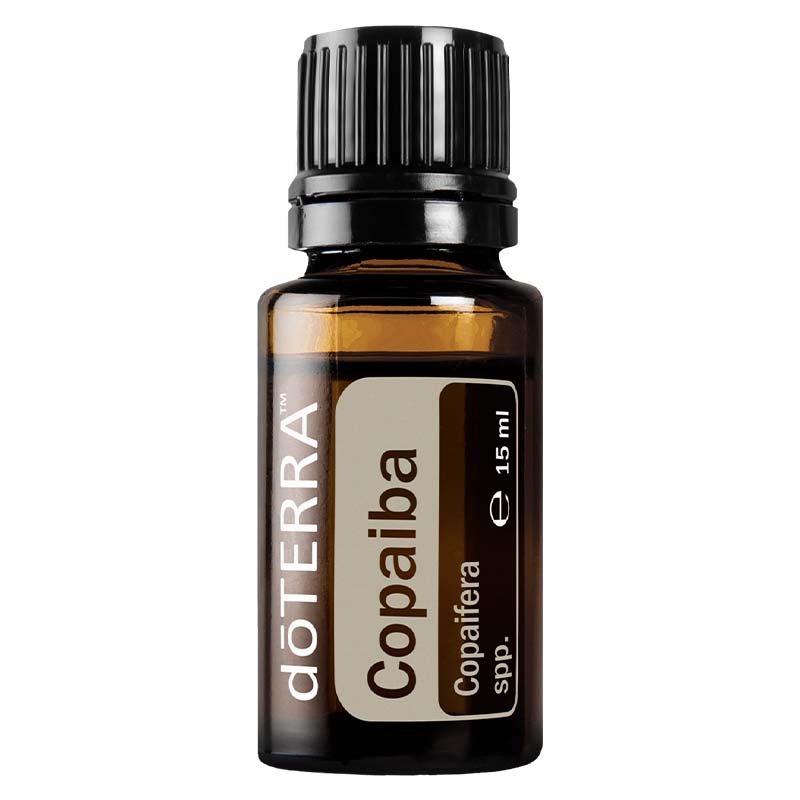
Copaiba Essential Oil: Profile, Aroma and Everyday Uses
Was this article helpful?

Written by
Victoria Plekenpol
Victoria Plekenpol is a Functional Nutritionist, Wellness Coach, and mom of three who helps health-conscious families simplify wellness and build practical habits that last. Drawing on science-backed education and real-life experience, she guides families toward more energy, stronger foundations, and the confidence to own their health naturally.