
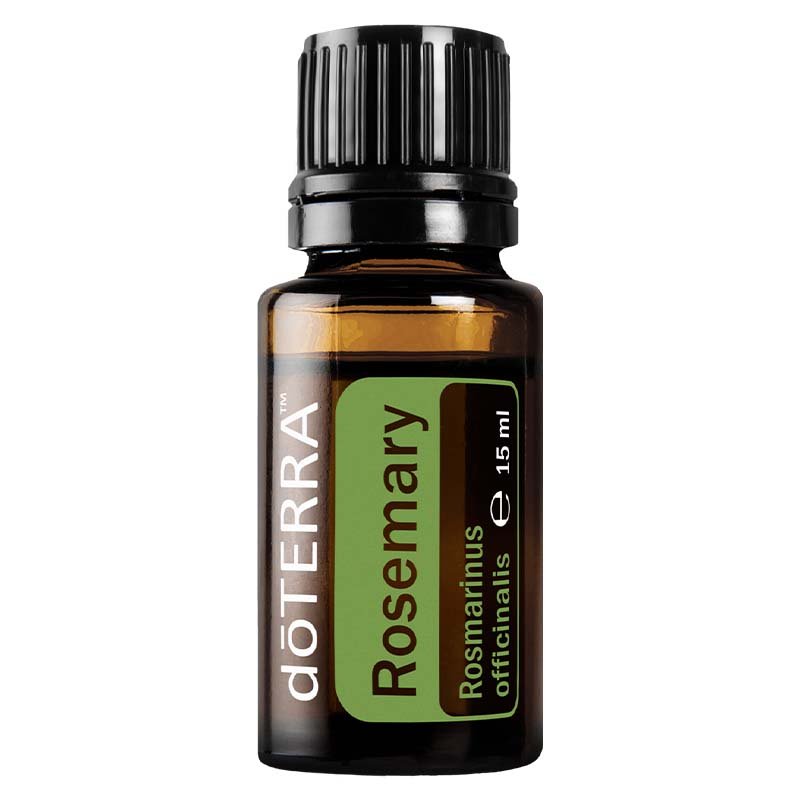
Rosemary is one of the most searched-for single oils in any collection, and one of the most misunderstood. This profile covers what it is, where it comes from, what it actually smells like and how people use it day to day — no health claims, just the practical detail.
Botanical name and family
Rosmarinus officinalis — Lamiaceae (mint family).
Where it comes from
Distilled from rosemary grown around the Mediterranean, largely in Morocco and Tunisia, where the dry heat concentrates the leaf oil.
How it is extracted
Steam distillation of the flowering tops and leaves.
Aromatic profile
Herbaceous and green with a clear camphor-pine edge. It smells like a kitchen garden in full sun — bracing rather than sweet.
Everyday ways people use Rosemary
- Diffuse two drops while working or studying for a sharp, clean-smelling room.
- Add one drop to a tablespoon of carrier oil for a scalp and hair massage before washing.
- Use a drop in focaccia dough, roast potatoes or a marinade in place of dried rosemary.
- Blend with Lemon in a diffuser for a bright herbal kitchen scent.
Blends well with: Peppermint, Lemon, Eucalyptus.
Safety and dilution
Dilute to 1% for skin. Avoid during pregnancy and with epilepsy or high blood pressure unless cleared by a clinician. Keep essential oils out of reach of children, and speak to your own healthcare provider before using them if you are pregnant, nursing or managing a medical condition.
Good to know
Can I cook with Rosemary essential oil?
Yes, in tiny amounts — one drop replaces roughly a teaspoon of dried rosemary, so add it to the oil or fat, not directly to the pan.
How do I use Rosemary oil on hair?
One drop in a tablespoon of carrier oil, massaged into the scalp before washing. Patch-test first.
Who should avoid Rosemary essential oil?
It is generally avoided during pregnancy and by anyone with epilepsy or uncontrolled high blood pressure.
Other oil profiles
This page is educational and aromatic in focus. Essential oils are not medicines and nothing here is intended to diagnose, treat, cure or prevent any disease. These statements have not been evaluated by the Food and Drug Administration.
Related articles
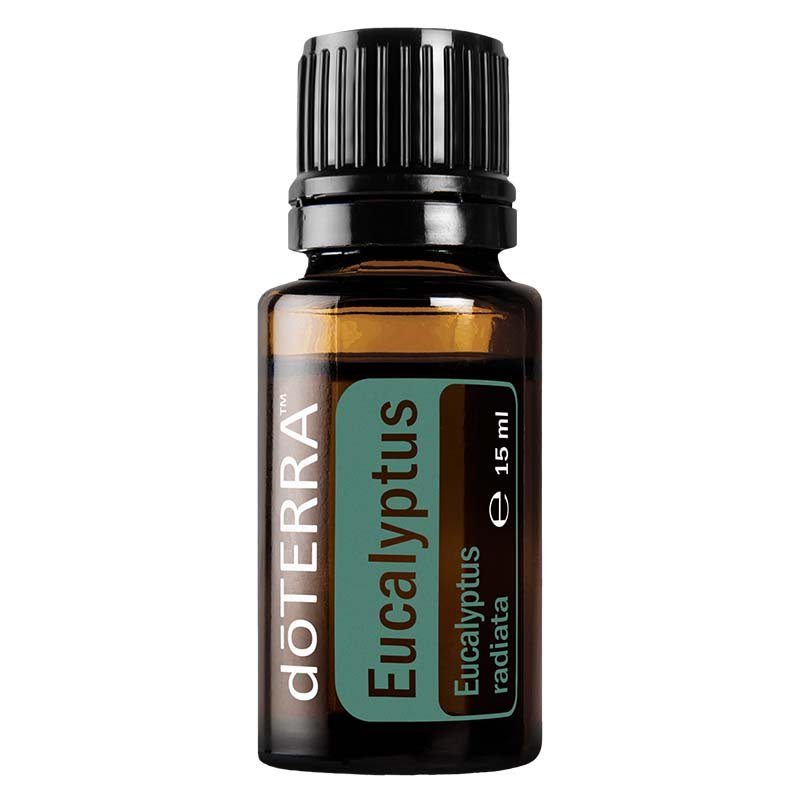
Eucalyptus Essential Oil: Profile, Aroma and Everyday Uses
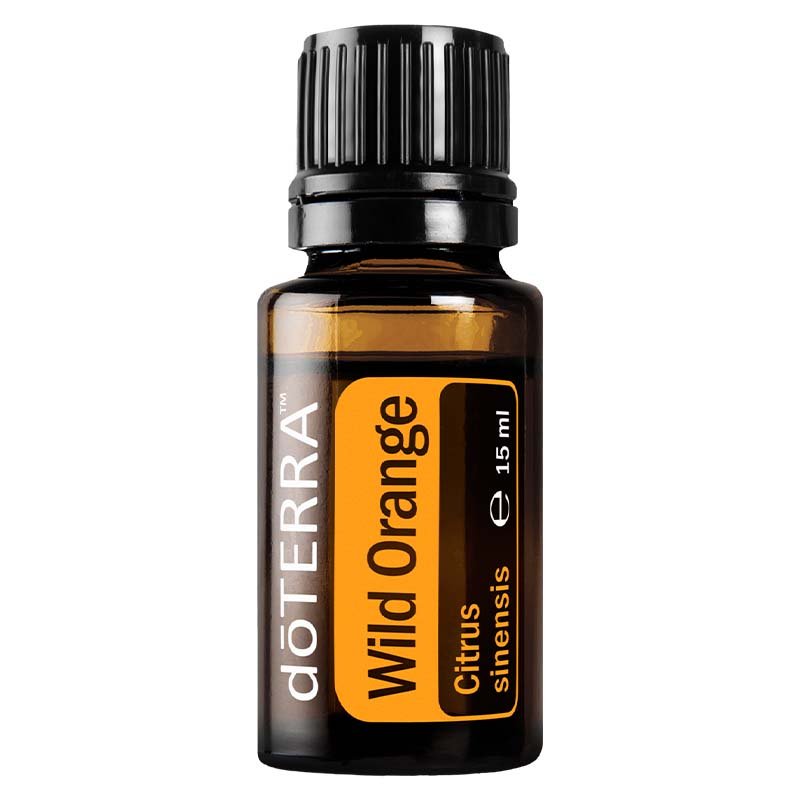
Wild Orange Essential Oil: Profile, Aroma and Everyday Uses
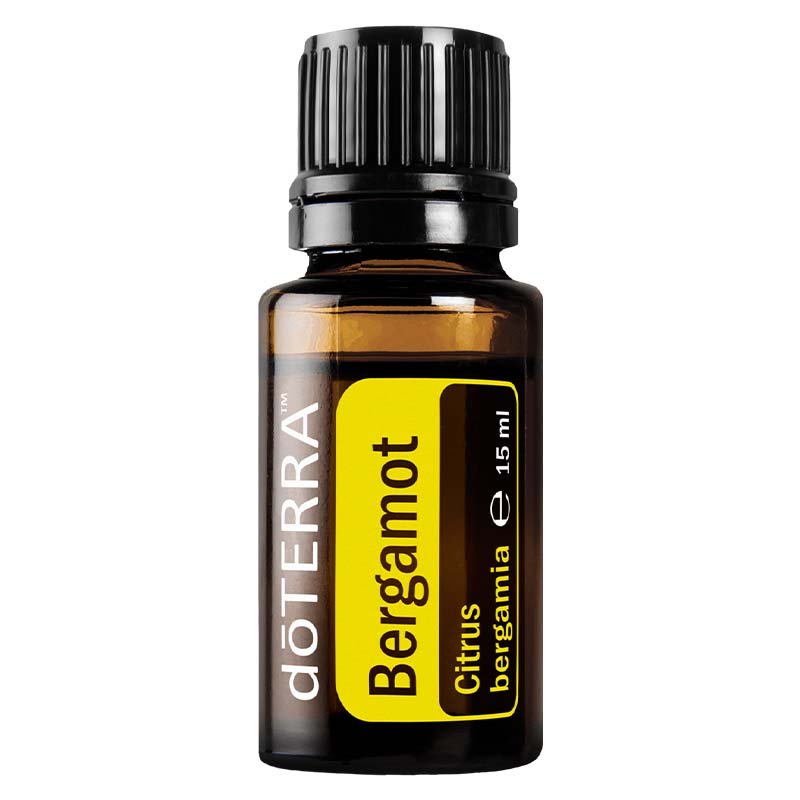
Bergamot Essential Oil: Profile, Aroma and Everyday Uses
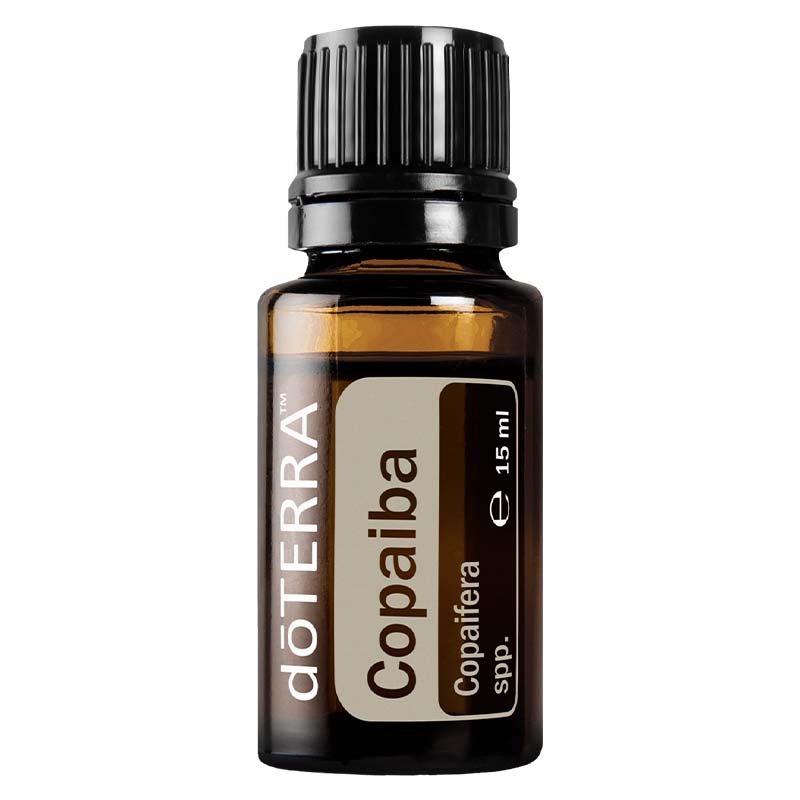
Copaiba Essential Oil: Profile, Aroma and Everyday Uses
Was this article helpful?

Written by
Victoria Plekenpol
Victoria Plekenpol is a Functional Nutritionist, Wellness Coach, and mom of three who helps health-conscious families simplify wellness and build practical habits that last. Drawing on science-backed education and real-life experience, she guides families toward more energy, stronger foundations, and the confidence to own their health naturally.