
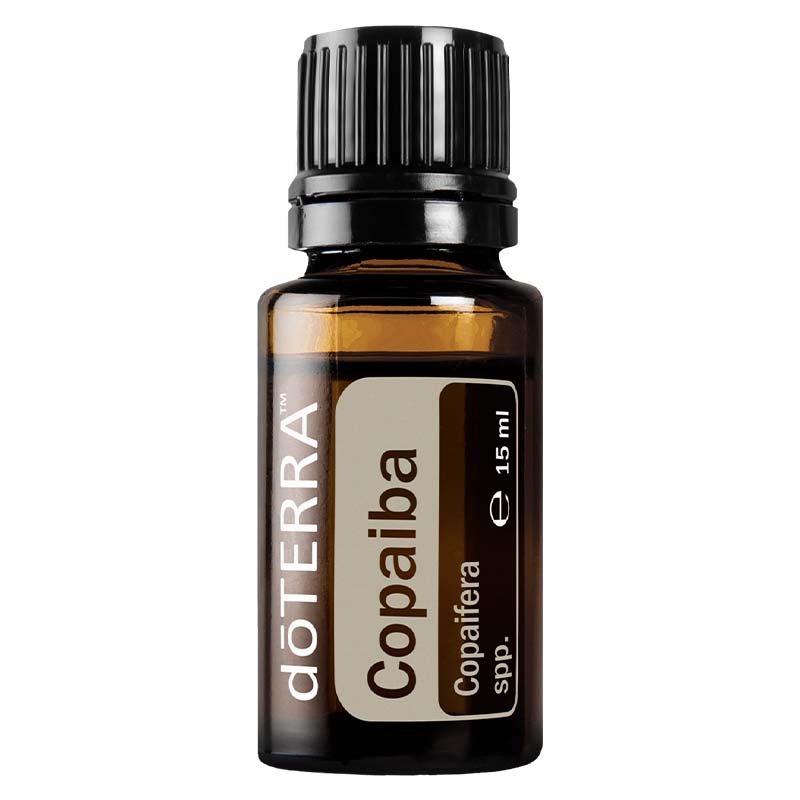
Copaiba is one of the most searched-for single oils in any collection, and one of the most misunderstood. This profile covers what it is, where it comes from, what it actually smells like and how people use it day to day — no health claims, just the practical detail.
Botanical name and family
Copaifera reticulata, officinalis, coriacea and langsdorffii — Fabaceae (legume family).
Where it comes from
Tapped as an oleoresin from copaiba trees in the Brazilian Amazon, where trees are drilled and left to recover rather than felled.
How it is extracted
Steam distillation of the tapped oleoresin.
Aromatic profile
Soft, woody and faintly sweet, almost balsamic. Very quiet on its own — it works best as a base note holding brighter oils in place.
Everyday ways people use Copaiba
- Dilute one drop in a carrier oil or moisturizer as part of an evening skincare routine.
- Add a drop to an unscented body lotion for a warm, woody finish.
- Diffuse with citrus oils, where it softens and rounds the sharper top notes.
- Blend with Frankincense in carrier oil for a warm, grounding massage oil.
Blends well with: Frankincense, Lavender, Wild Orange.
Safety and dilution
Among the gentler oils, but still dilute to 1–2% for skin and patch-test. Thick and slow-pouring — warm the bottle in your hands. Keep essential oils out of reach of children, and speak to your own healthcare provider before using them if you are pregnant, nursing or managing a medical condition.
Good to know
Is Copaiba the same as CBD?
No. Copaiba is a distilled tree resin and contains no cannabidiol. They are unrelated plants and unrelated compounds.
What does Copaiba smell like?
Soft, woody and slightly sweet — subtle enough that many people use it as a base note rather than on its own.
Which oils go well with Copaiba?
Frankincense, Lavender and citrus oils such as Wild Orange.
Other oil profiles
This page is educational and aromatic in focus. Essential oils are not medicines and nothing here is intended to diagnose, treat, cure or prevent any disease. These statements have not been evaluated by the Food and Drug Administration.
Related articles
Eucalyptus Essential Oil: Profile, Aroma and Everyday Uses
Wild Orange Essential Oil: Profile, Aroma and Everyday Uses
Rosemary Essential Oil: Profile, Aroma and Everyday Uses
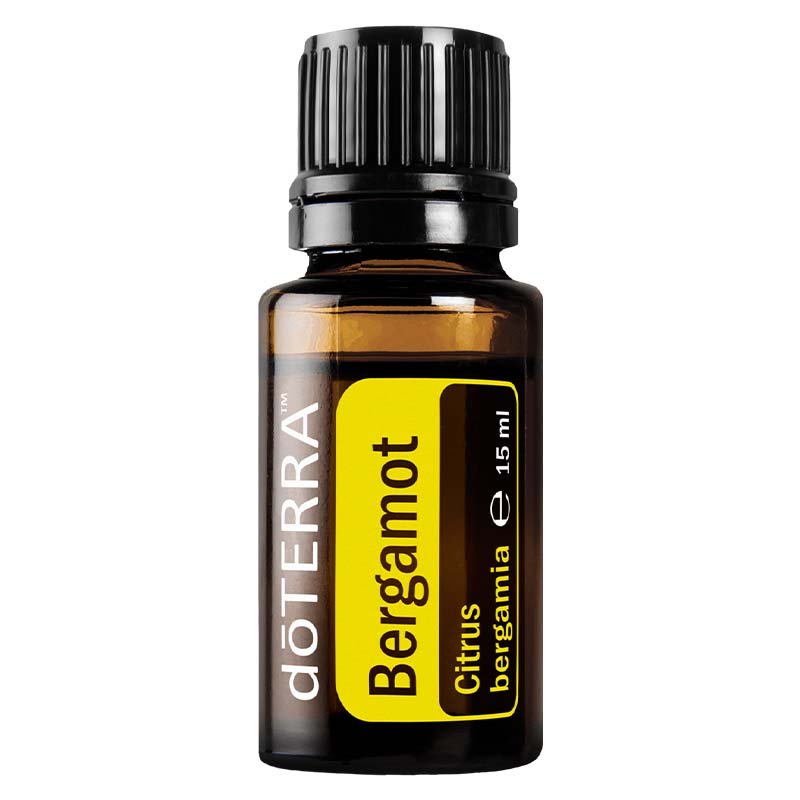
Bergamot Essential Oil: Profile, Aroma and Everyday Uses
Was this article helpful?

Written by
Victoria Plekenpol
Victoria Plekenpol is a Functional Nutritionist, Wellness Coach, and mom of three who helps health-conscious families simplify wellness and build practical habits that last. Drawing on science-backed education and real-life experience, she guides families toward more energy, stronger foundations, and the confidence to own their health naturally.