
Understanding Aroma Notes in Perfumery
Creating your own aromatic blends is an engaging way to personalize your environment and daily routines. At the heart of successful blending lies the concept of aroma notes, which classifies essential oils based on their volatility and how long their scent lingers in the air. When you combine oils, you are essentially building a scent structure, much like a musical chord.
How to Read This Chart
Our chart categorizes 40 essential oils into three distinct notes: Top, Middle, and Base. Understanding these classifications allows you to balance your aromatic creations effectively.
- Top Notes: These are the first scents you perceive. They are highly volatile, evaporating quickly, and provide an immediate aromatic impression.
- Middle Notes: Often referred to as the heart of the blend, these provide the body of the fragrance. They emerge after the top notes begin to fade.
- Base Notes: These are the grounding scents with the lowest volatility. They linger for several hours and help fix the blend, ensuring the fragrance lasts longer.
| Essential Oil | Note Classification |
|---|---|
| Bergamot | Top |
| Lemon | Top |
| Grapefruit | Top |
| Lime | Top |
| Wild Orange | Top |
| Peppermint | Top |
| Eucalyptus | Top |
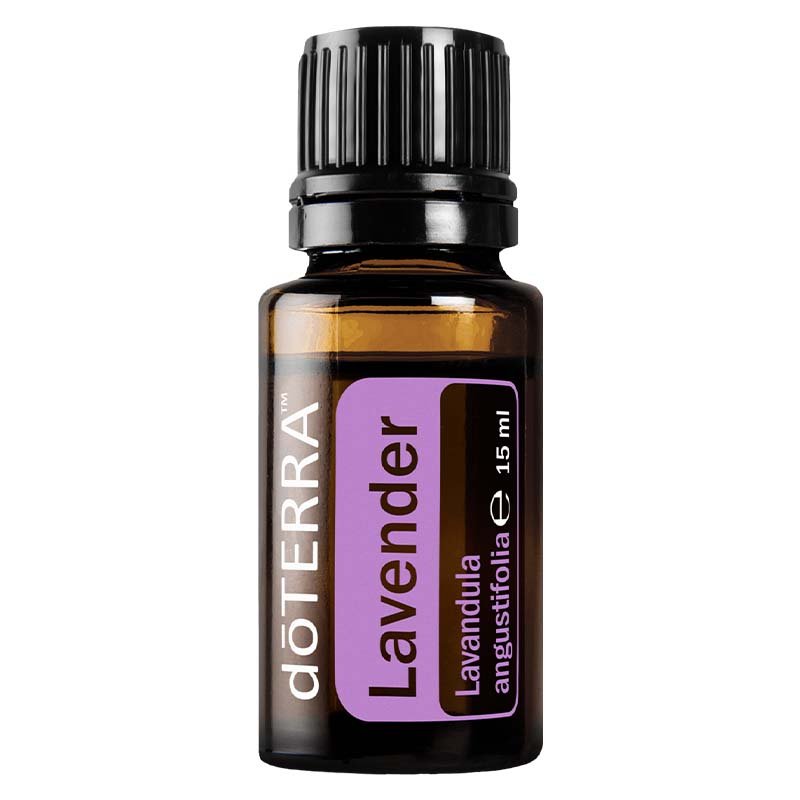
| Lavender | Middle |
| Tea Tree | Middle |
| Rosemary | Middle |
| Geranium | Middle |
| Ylang Ylang | Middle |
| Clary Sage | Middle |
| Jasmine | Middle |
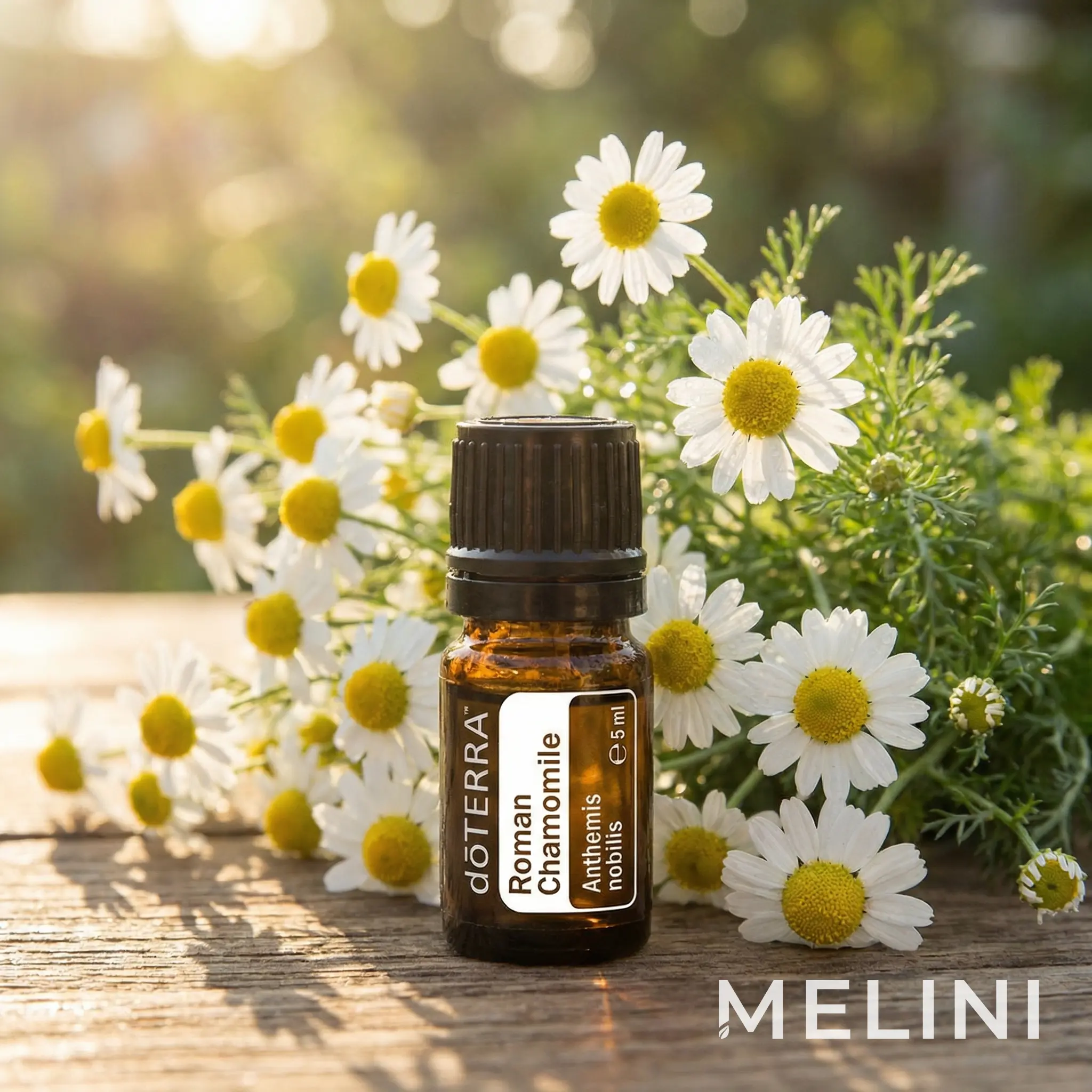
| Chamomile | Middle |
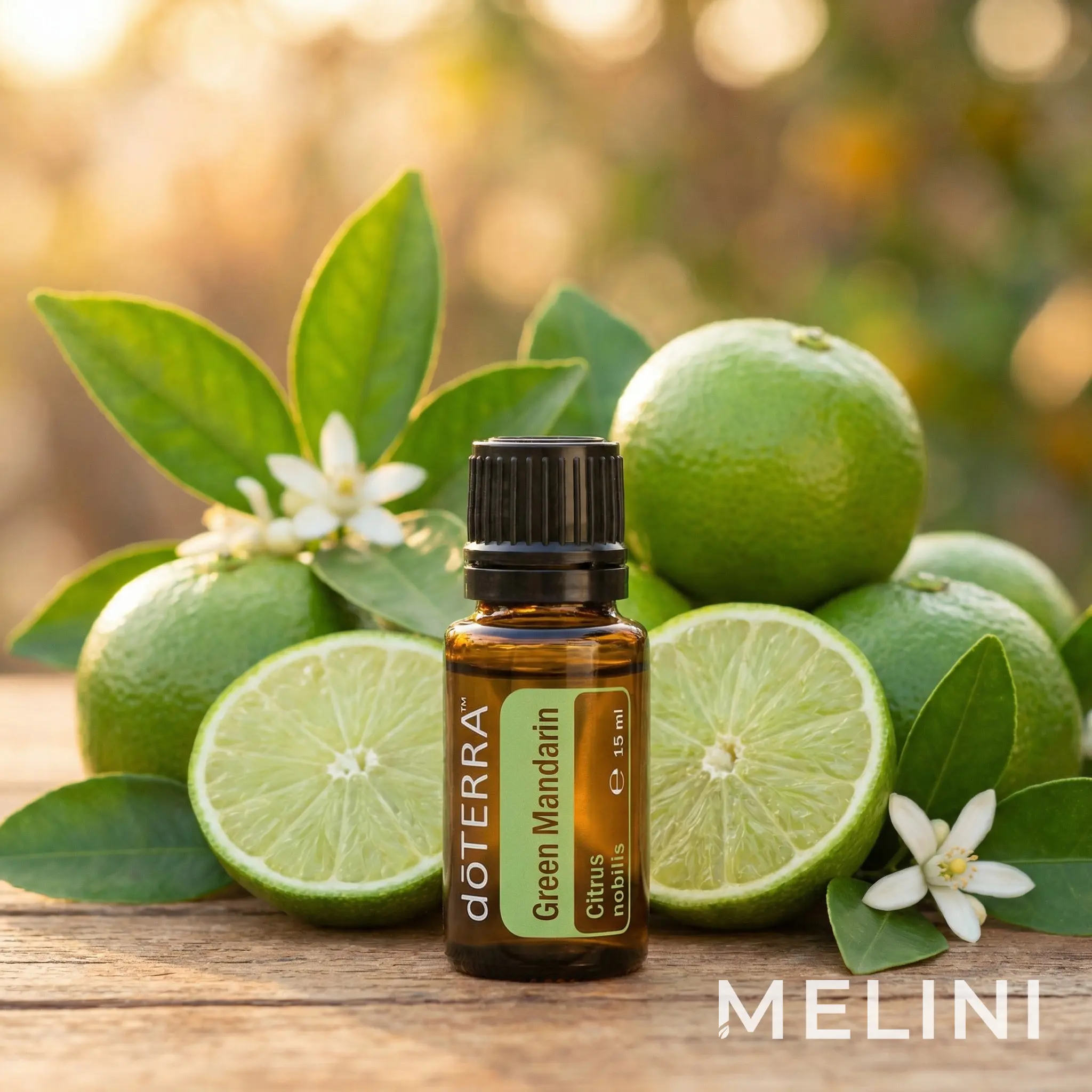
| Green Mandarin | Top |
| Coriander | Middle |
| Cypress | Middle |
| Juniper Berry | Middle |
| Lemongrass | Top |
| Basil | Middle |
| Thyme | Middle |
| Black Pepper | Middle |
| Cardamom | Middle |
| Ginger | Middle |
| Frankincense | Base |
| Sandalwood | Base |
| Patchouli | Base |
| Vetiver | Base |
| Cedarwood | Base |
| Myrrh | Base |
| Clove | Base |
| Cinnamon Bark | Base |
| Vanilla | Base |
| Benzoin | Base |
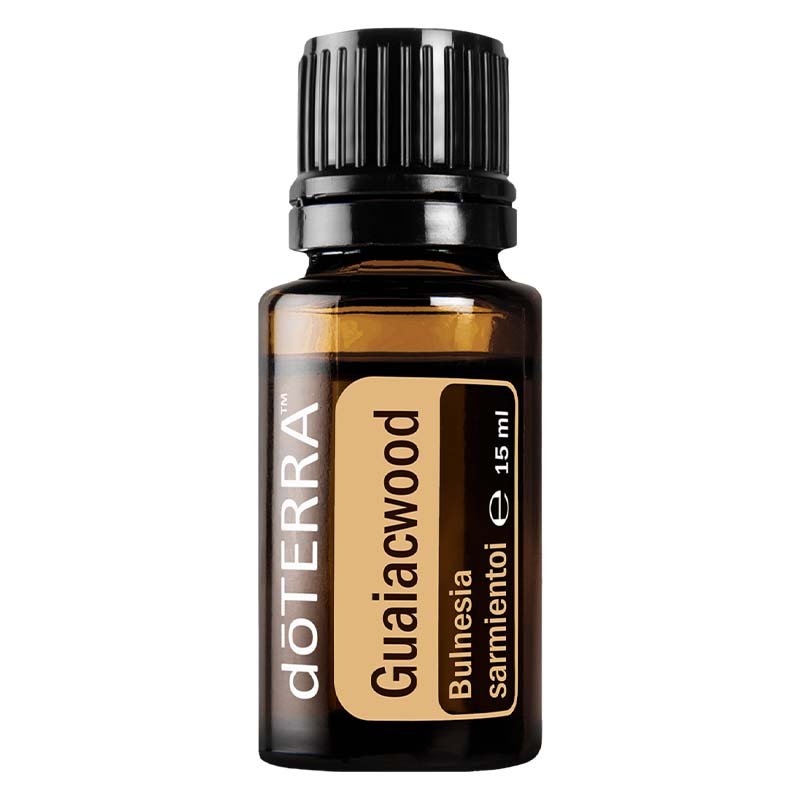
| Guaiac Wood | Base |
| Helichrysum | Middle |
| Marjoram | Middle |
| Fennel | Middle |
| Roman Chamomile | Middle |
Practical Blending Examples
To start your blending journey, consider using the 30-50-20 rule: 30% top notes, 50% middle notes, and 20% base notes. For instance, combining a bright top note like Green Mandarin with a floral middle note like Lavender and a deep base note like Guaiac Wood results in a well-rounded, sophisticated profile suitable for the doTERRA Dawn Aromatic Diffuser. When applying oils to your skin, always remember to use a carrier oil for proper dilution.
Safety Guidelines
Safety is paramount when working with essential oils. Always store your collection in a cool, dark place away from direct sunlight and heat. Keep oils out of reach of children and pets. Always perform a patch test on a small area of skin before applying a new blend liberally. If you have questions about specific plant species, consult the label for botanical accuracy.
Share This Chart
We invite wellness writers, educators, and bloggers to bookmark this page and share it with your communities. If you find this guide valuable, please link back to this resource to help your readers navigate the world of essential oil blending with confidence.
This guide is provided for educational purposes only. It is not intended to provide personal advice or guidance for any specific individual or circumstance. Always refer to product labels for usage instructions and safety warnings.
Frequently Asked Questions
What happens if I only use top notes in a blend?
If you use only top notes, your blend will have a very strong initial scent, but it will dissipate within 15–30 minutes, leaving no lingering aroma.
Do I have to use all three notes in my blend?
No, you do not. While a three-note blend offers the most complexity and longevity, simple two-note combinations can also create delightful aromatic experiences.
Can an essential oil belong to more than one note category?
Yes, some oils act as bridge oils, sitting between two categories depending on the distillation process and chemical composition.
Why do base notes last longer?
Base notes have larger, heavier molecules that do not evaporate as quickly as the light, volatile molecules found in top notes.
Sources
Recommended Products


Related articles
What Is Aromatherapy? A Beginner's Guide to Essential Oils at Home
The Best Diffuser to Make Your House Smell Amazing
Essential Oils for Sleep & Relaxation: Your Starter Guide
How Often Should You Use a Diffuser? A Simple Guide
Was this article helpful?

Written by
Victoria Plekenpol
Victoria Plekenpol is a Functional Nutritionist, Wellness Coach, and mom of three who helps health-conscious families simplify wellness and build practical habits that last. Drawing on science-backed education and real-life experience, she guides families toward more energy, stronger foundations, and the confidence to own their health naturally.