
Aromatherapy is the practice of using aromatic plant extracts, mainly essential oils, to shape how a space smells and how you experience your day. People use it to make a home smell fresh, to mark the start of a focused workday, or to build a calm evening ritual. This guide explains what aromatherapy is, where it comes from, how essential oils are made, the main ways to use them, and how to get started safely at home.
What is aromatherapy?
The word combines “aroma” and “therapy”, but in everyday use it simply means enjoying the scent of plant essential oils on purpose: in a diffuser, in a massage blend, in a bath or straight from the bottle. Our sense of smell is closely linked to the parts of the brain that handle memory and emotion, which is why a single scent can bring back a place or a moment so vividly.
In the United States, the FDA notes that “aromatherapy” is not defined in law. Products sold only for their scent are regulated as cosmetics, while products that make health claims fall under different rules. At Melini we describe essential oils by their aroma, their origin and how to use them, and we leave health questions to your doctor.
A short history
People have used fragrant plants for thousands of years: resins like Frankincense and Myrrh were traded across the ancient world for ceremonies and perfume, and distillation of plant waters was refined by Persian and Arab scholars in the Middle Ages. The modern term “aromatherapy” was popularized in the 1930s by the French chemist René-Maurice Gattefossé, who worked in his family’s perfume business. Today aromatherapy is a part of spa culture, massage, home fragrance and everyday self-care routines.
What are essential oils?
Essential oils are the concentrated aromatic compounds of a plant. They come from flowers (Lavender, Rose), leaves (Peppermint, Tea Tree), peels (Lemon, Wild Orange), resins (Frankincense) and woods (Cedarwood, Sandalwood).
- Steam distillation passes steam through the plant material; the aromatic compounds rise with the steam and separate from the water as it cools. Most oils are made this way.
- Cold pressing squeezes the oil out of citrus peels, which is why citrus oils smell so much like the fresh fruit.
Because it takes a lot of plant material to make a small bottle, essential oils are very concentrated. A single drop goes a long way, and most oils should be diluted before they touch the skin.
How to use aromatherapy at home
Diffusing
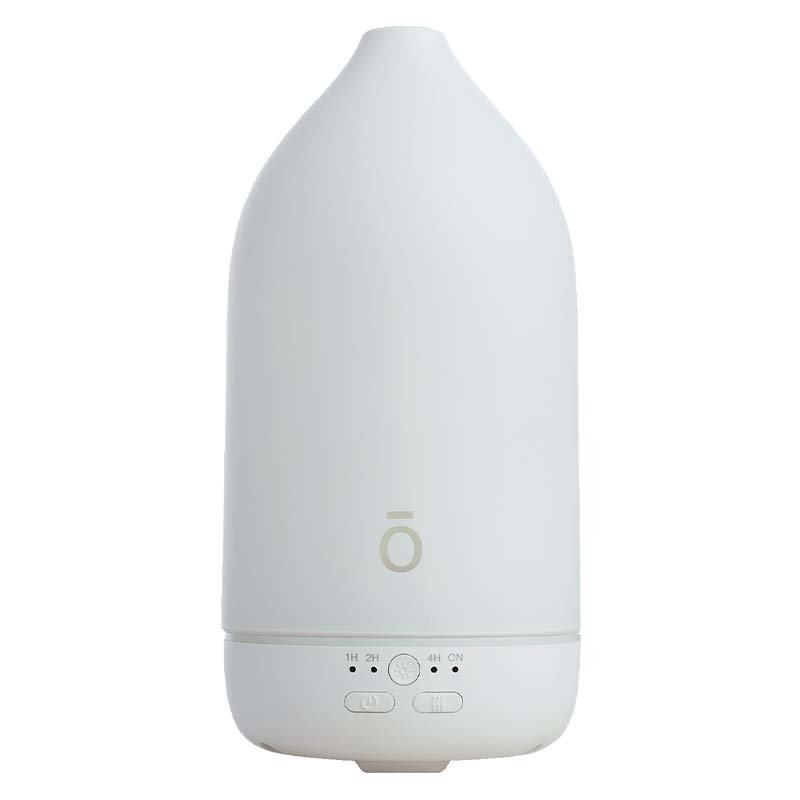
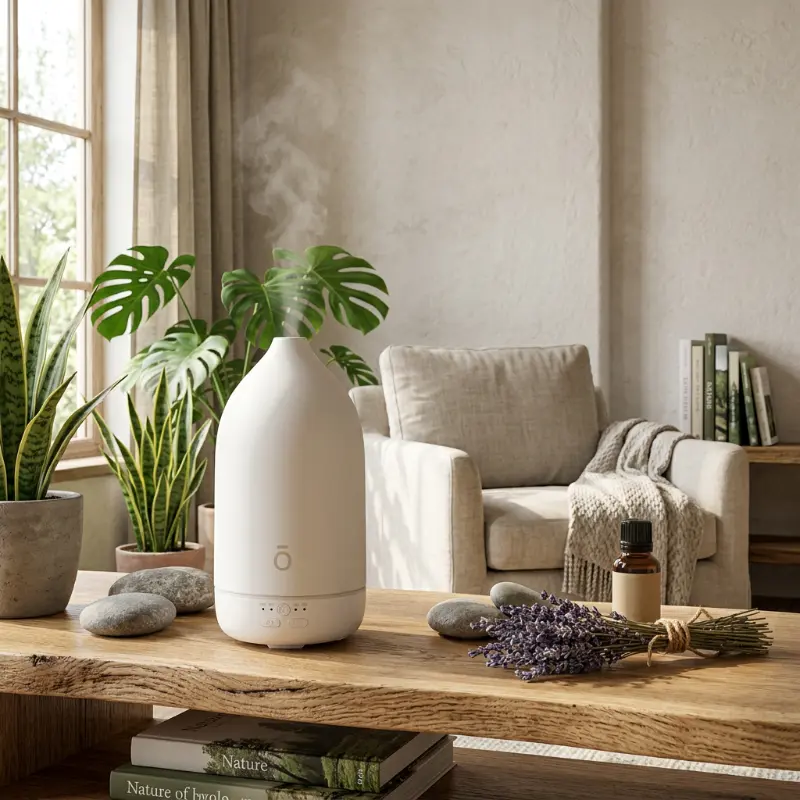
The most popular method. An ultrasonic diffuser turns water and a few drops of oil into a cool mist that spreads the aroma through a room. Start with 3 to 5 drops in a bedroom and diffuse for 30 to 60 minutes at a time. Our beginner’s guide to using a diffuser covers the details, and the aromatherapy diffusers page shows the models we stock.
Direct inhalation
Open the bottle and take a gentle breath, or put a drop on a tissue, a cotton pad or a lava stone bracelet. It is a quick way to enjoy an aroma at your desk or on a trip.
Topical use
For massage, add a few drops of essential oil to a carrier oil such as fractionated coconut oil. For adults, a 1 to 2 percent dilution (about 6 to 12 drops per ounce of carrier oil) is a common everyday starting point. Pre-diluted Touch roll-ons like Lavender Touch are ready to use. See the dilution guide and dilution chart before you start.
Bath and shower
Essential oils do not mix with water, so blend a few drops with a carrier oil or unscented bath gel first, then add it to the bath. In the shower, a drop or two on the floor away from the stream releases the aroma with the steam.
Home fragrance
Room sprays, linen sprays and DIY cleaners are an easy way to bring aroma into your home. Try our DIY room spray recipes and the best oils for a natural home fragrance.
Popular aromatherapy oils and their aroma
| Oil | Aroma | Popular for |
|---|---|---|
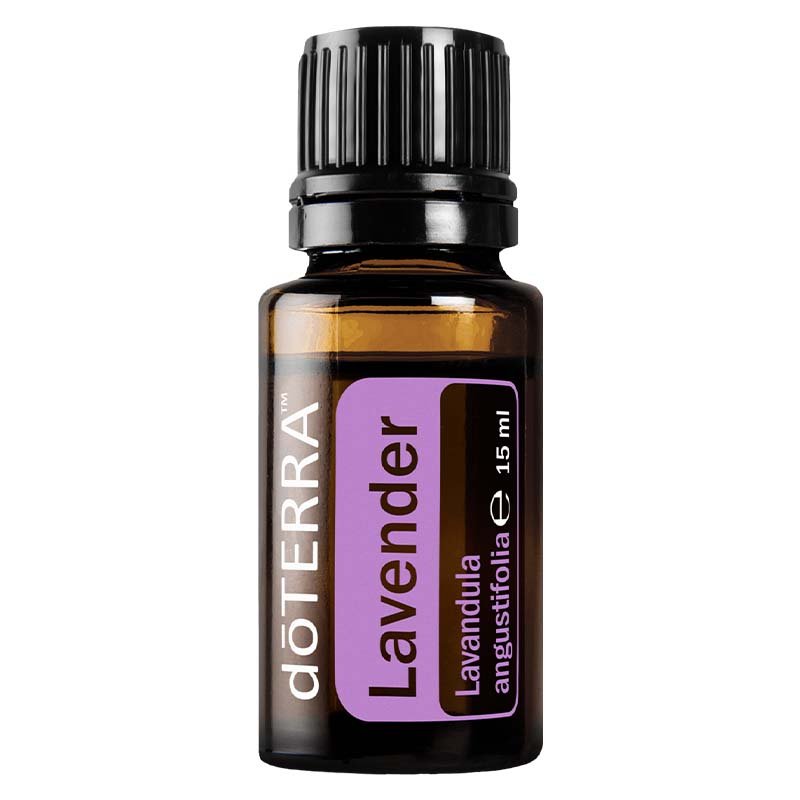
| Lavender | Floral, soft, herbal | Evening routines, bedroom diffusers |
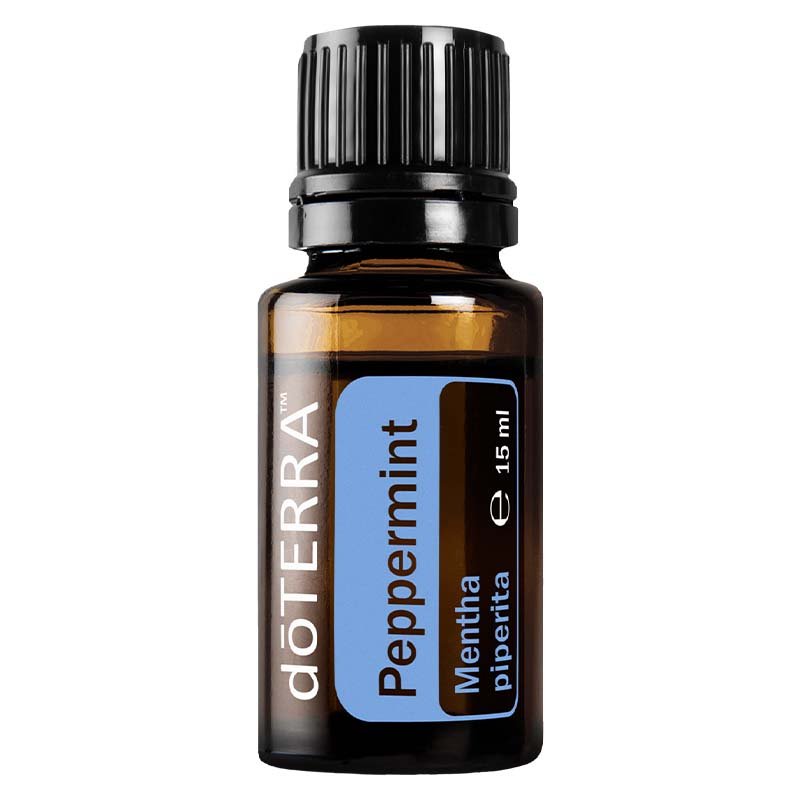
| Peppermint | Cool, sharp, minty | Morning and workday energy |
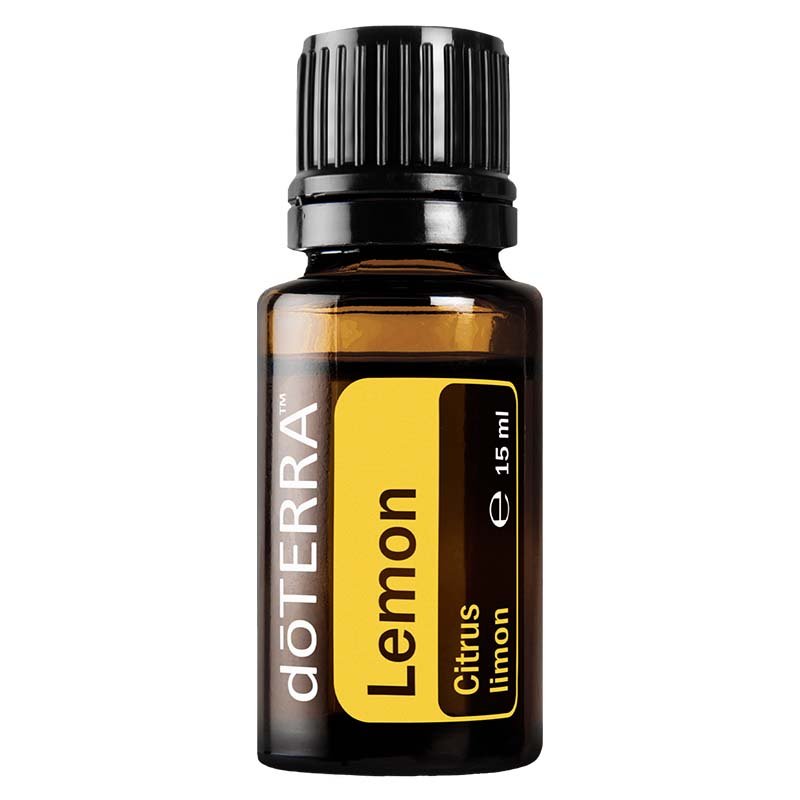
| Lemon | Bright, clean citrus | Kitchens, cleaning days |
| Wild Orange | Sweet, juicy citrus | Uplifting blends, cozy fall mixes |
| Frankincense | Warm, resinous, woody | Meditation, skincare routines |
| Eucalyptus | Fresh, camphor-like | Shower steam, fresh-air blends |
| Bergamot | Citrus with a floral edge | Calm, balanced blends |
| Cedarwood | Dry, woody, grounding | Evening blends, men’s fragrance |
Not sure which aroma you will like? The Oil Finder quiz suggests oils based on the scents and routines you enjoy, and our guide to the best first essential oils to buy lists good starting points.
How to choose quality essential oils
- Look for the plant’s Latin name on the label (for example Lavandula angustifolia for Lavender), so you know exactly what is in the bottle.
- Check for testing. Reputable brands test every batch for purity. doTERRA oils are tested to its CPTG (Certified Pure Tested Grade) standard.
- Avoid “fragrance oil” and “nature identical” products if you want a true essential oil. Read our comparison of essential oils and fragrance oils.
- Dark glass bottles protect oils from light. Store them closed, upright and away from heat; see how long essential oils last.
Using aromatherapy safely
- Dilute oils before applying them to the skin, and do a patch test on a small area first.
- Keep oils away from eyes, inner ears and broken skin, and out of reach of children.
- Citrus oils applied to the skin can make it more sensitive to sunlight; avoid sun exposure on that area for 12 hours.
- Diffuse in ventilated rooms, in sessions rather than all day, and let pets leave the room. See oils to avoid diffusing around pets.
- If you are pregnant, nursing, caring for a baby or under a doctor’s care, talk to your healthcare provider before using essential oils.
Getting started
A simple starter set is three oils you enjoy, a diffuser and a carrier oil. Lavender, Lemon and Peppermint cover floral, citrus and mint, and together they make dozens of blends. Compare ready-made sets in our doTERRA starter kits guide, or browse all doTERRA single essential oils. At Melini you can order genuine doTERRA without a membership.
Frequently Asked Questions
What is aromatherapy in simple terms?
It is the intentional use of plant essential oils for their aroma, for example in a diffuser, a massage blend or a bath, to make a space or a routine feel the way you want.
What is the best way to start with aromatherapy?
Start with an ultrasonic diffuser and two or three oils you like the smell of. Diffuse 3 to 5 drops for 30 to 60 minutes and adjust from there.
Is aromatherapy the same as using perfume?
Not quite. Perfumes often use synthetic aroma compounds and are designed to be worn. Aromatherapy uses pure plant essential oils, usually in the air or in diluted massage blends.
Can I put essential oils directly on my skin?
Most essential oils should be diluted in a carrier oil first. Pre-diluted Touch roll-ons are an easy alternative.
How long does a bottle of essential oil last?
A 15 ml bottle holds roughly 250 drops, so at 3 to 5 drops per diffuser session it lasts many weeks. Most oils keep their aroma for several years if stored closed, cool and dark; citrus oils are best used within one to two years.
Sources
Recommended Products
Related articles
Essential Oils for Beginners: Your Complete Guide to Nature's Essence
Carrier Oils Explained: Choosing for Essential Oils
The Best Diffuser to Make Your House Smell Amazing
Essential Oils for Sleep & Relaxation: Your Starter Guide
Was this article helpful?

Written by
Victoria Plekenpol
Victoria Plekenpol is a Functional Nutritionist, Wellness Coach, and mom of three who helps health-conscious families simplify wellness and build practical habits that last. Drawing on science-backed education and real-life experience, she guides families toward more energy, stronger foundations, and the confidence to own their health naturally.