
An essential oil diffuser is the easiest way to enjoy aromatherapy at home: a few drops of oil, some water and the push of a button fill a room with a natural aroma, without candles, sprays or synthetic fragrance. This guide walks you through choosing a diffuser, how many drops to use, how long to run it, how to keep it clean, and how to diffuse responsibly around kids and pets.
How an essential oil diffuser works
Diffusing simply means spreading the aromatic compounds of an essential oil through the air of a room. Opening a bottle gives you a quick scent; a diffuser keeps the aroma even and steady for as long as it runs. There are four main types:
Ultrasonic diffusers
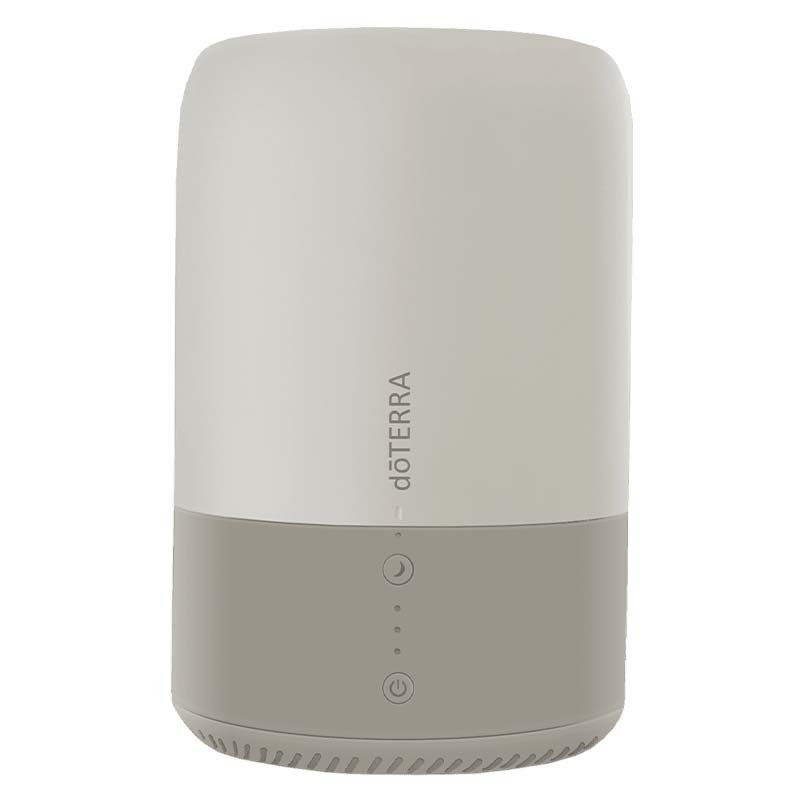
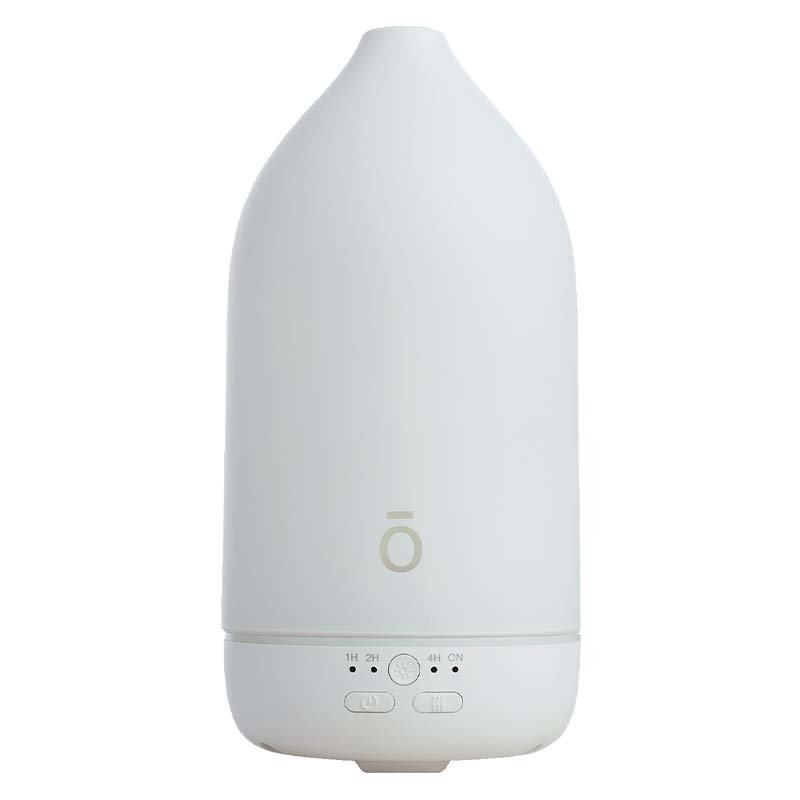
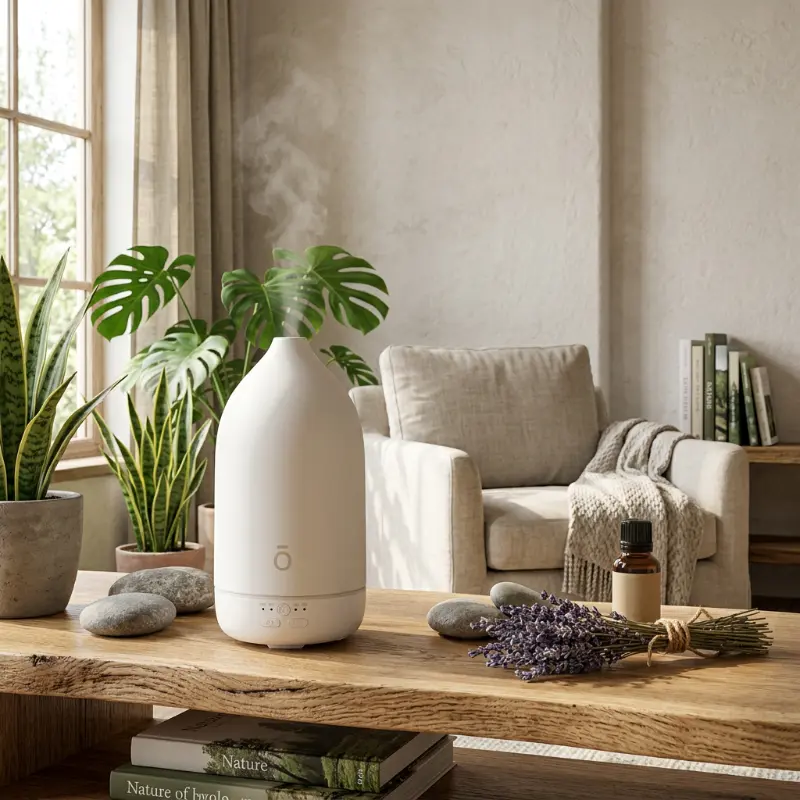
Ultrasonic diffusers, like the doTERRA Laluz Diffuser and the doTERRA Dawn Aromatic Diffuser, use a small vibrating plate to turn water and a few drops of oil into a cool, fine mist. They are quiet, use no heat, add a little moisture to the air and usually have timers and an automatic shut-off. For most people this is the best first diffuser.
Nebulizing diffusers
Nebulizers use pressurized air to turn undiluted oil into a very fine spray. The aroma is strong and pure, but they are louder, use oil faster and cost more. They suit people who want an intense aroma in a smaller space.
Evaporative and heat diffusers
Evaporative diffusers blow air across a pad soaked with oil, while heat diffusers warm the oil with a candle or a heating plate. Both are simple, but lighter aroma molecules evaporate first, so the scent changes as it runs, and heat can flatten the aroma.
Passive diffusers
Terracotta ornaments, lava stone jewelry, car vent clips or a cotton ball with a drop of oil all release aroma slowly without electricity. They are great for a desk, a closet or a car, but they do not fill a room.
How to use an essential oil diffuser, step by step
- Place it well. Set the diffuser on a flat, stable surface about two feet off the floor, away from electronics, wood finishes that water could mark, and the reach of small children and pets.
- Add water. Fill the tank with room-temperature water up to the fill line. Filtered or distilled water keeps mineral buildup down.
- Add your oil. Start with 3 to 5 drops for a bedroom or office and 6 to 8 drops for a large living room. You can always add another drop next time; you cannot take one out.
- Set the timer. Choose a run time and, if your diffuser has one, an interval mode that switches on and off.
- Enjoy and adjust. Give the aroma 10 to 15 minutes to build. If it fades from notice, that is normal: your nose gets used to a scent quickly. Step out of the room for a few minutes and you will notice it again.
How many drops of essential oil in a diffuser?
The right amount depends on tank size, room size and the oil itself. Citrus oils like Lemon and Wild Orange are light and bright, so many people use a drop or two more. Strong oils like Peppermint, Clove or Cinnamon go further, so use fewer.
| Room | Typical tank | Drops to start with |
|---|---|---|
| Desk, bathroom or small office | 100 ml | 2–3 |
| Bedroom | 100–200 ml | 3–5 |
| Living room or kitchen | 200–300 ml | 5–8 |
| Large open-plan space | 300 ml or more | 8–10 |
How long should you run a diffuser?
Most aromatherapy educators recommend diffusing in sessions of 30 to 60 minutes, then taking a break, rather than running a diffuser all day. Interval settings make this easy. In a bedroom, many people run a diffuser for the first hour after lights out. Always keep a door or window open a crack so the room stays ventilated.
Easy diffuser blends to try first
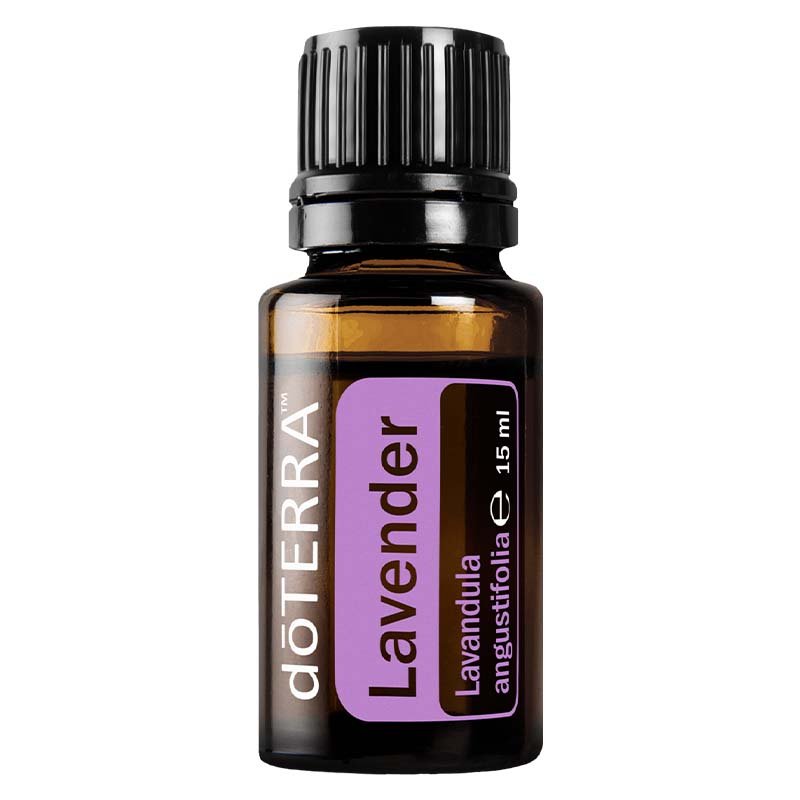
- Calm evening: 3 drops Lavender, 2 drops Cedarwood, 1 drop Bergamot.
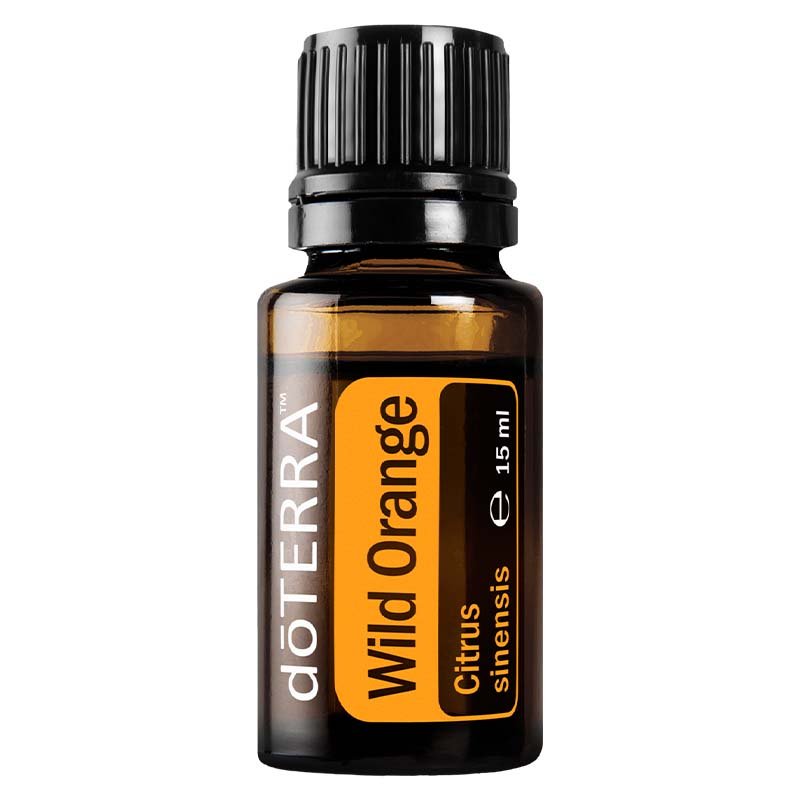
- Fresh morning: 3 drops Wild Orange, 2 drops Peppermint.
- Clean kitchen: 3 drops Lemon, 2 drops Tea Tree.
- Cozy fall day: 3 drops Wild Orange, 1 drop Clove, 1 drop Frankincense.
Prefer a ready-made aroma? Signature blends like Serenity, On Guard and Air give you the same balanced scent every time.
How to clean your diffuser
Oil residue and minerals slowly coat the vibrating plate and weaken the mist. A short routine keeps it running well:
- Unplug the diffuser and empty any leftover water.
- Fill the tank halfway with water and add a tablespoon of white vinegar.
- Run it for 5 minutes, then empty it.
- Wipe the tank and the plate gently with a cotton swab dipped in rubbing alcohol.
- Rinse, wipe dry and let it air out before the next use.
Do a quick wipe after each use and a vinegar clean every week or two, or whenever you switch to a very different oil.
Diffusing responsibly at home
- Ventilation: always diffuse in a room with some airflow and give the room aroma-free breaks.
- Children: keep the diffuser out of reach, use fewer drops, and diffuse in rooms where little ones can leave if they want to. Talk to your pediatrician before diffusing around babies.
- Pets: cats, birds and small animals are especially sensitive to aromas. Diffuse in a room your pet can leave freely, never close them in with a running diffuser, and ask your veterinarian about specific oils. See our guide to essential oils to avoid diffusing around pets.
- Pregnancy and health questions: if you are pregnant, nursing or under a doctor’s care, check with your healthcare provider before using essential oils.
- Stop if it bothers you: if an aroma feels too strong or anyone in the room feels unwell, switch the diffuser off and open a window.
Choosing your first diffuser
For most homes, an ultrasonic diffuser with a 100 to 200 ml tank, a timer and a light you can switch off is the right place to start. The Laluz is a compact, quiet choice for bedrooms and offices, and the Dawn adds a gentle light for evenings. Compare all models in our doTERRA diffuser buying guide or browse the full diffusers and accessories range.
Frequently Asked Questions
What is the best type of diffuser for beginners?
An ultrasonic diffuser. It is quiet, uses no heat, is easy to clean and lets you control the aroma with just a few drops of oil.
Can I leave my diffuser on overnight?
Use a timer or interval mode instead. Running a diffuser for the first hour after bedtime is usually plenty, and the room stays fresher with a break.
Can I put any essential oil in my diffuser?
Use pure essential oils only. Fragrance oils, carrier oils and thick resins can clog the plate. Thick oils like Vetiver or Sandalwood work best mixed with a lighter oil.
Why can’t I smell my diffuser anymore?
Your nose adapts to a steady aroma within minutes. Leave the room briefly, use the interval setting, or switch oils from time to time.
Do I need tap, filtered or distilled water?
Room-temperature tap water works in most diffusers, but filtered or distilled water leaves fewer mineral deposits, so the diffuser stays cleaner for longer.
Sources
References
This article is educational and is not intended to diagnose, treat, cure, or prevent any disease. The sources below are listed so you can read the underlying research yourself. Findings vary in strength — laboratory studies do not show what an essential oil does in the human body, and no citation here should be read as a claim about any specific product. Always talk to your healthcare provider about your own situation.
- 1.AromatherapyNational Center for Complementary and Integrative Health (NIH) · NCCIH, U.S. National Institutes of HealthHealth authority / clinical guideline
- 2.Effects of aromatherapy on anxiety: a meta-analysis of randomized controlled trialsMeta-analysis of 25 articles (32 trials) · Journal of Affective Disorders · 2020Systematic review or meta-analysis
- 3.The Effects of Essential Oils on the Nervous System: A Scoping ReviewScoping review of human studies · Molecules · 2023Scientific review
Recommended Products
Related articles
How to Diffuse Essential Oils Without a Diffuser
Essential Oil Diffuser Blends for Every Mood
How Often Should You Use a Diffuser? A Simple Guide
Aromatherapy Pressure Points for Everyday Tension
Was this article helpful?

Written by
Valerie Engelson
Valerie Engelson is a Board Certified Holistic Health Practitioner, a Certified Essential Oil Specialist, and mom of two with a passion for helping people live healthier, more vibrant lives. She believes true health is about more than managing symptoms; it's about identifying and addressing the root causes while recognizing the connection between our physical, emotional, and mental well-being.